- Art & Culture
- Lifestyle
Legends, rituals, and goliardic traditions at the University of Pavia
The University of Pavia is not only one of the oldest universities in Europe. It is a living place, shaped over centuries by students, professors, and members of its colleges, who have left traces not only in books and lecture halls, but also in rituals, legends, and goliardic traditions that are still recounted and, in part, practiced today. Anyone who comes to Pavia to study or to visit soon discovers that university life here has a unique character, made up of symbols, superstitious gestures, and stories handed down from generation to generation.
The Legends of the University: Between History and Storytelling
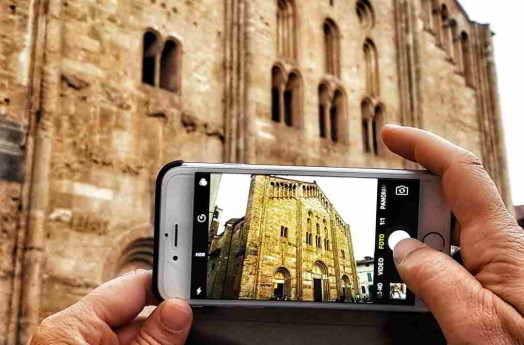
Many of the legends connected to the University of Pavia stem from the age and continuity of the institution, officially founded in 1361. Over the centuries, the presence of students from all over Europe has given rise to tales that blend historical reality with oral tradition. The courtyards of the Central Building, with their porticoes and commemorative plaques, are often at the center of stories about ancient exams, strict professors, and resourceful students capable of overcoming difficulties with ingenuity and determination.
These legends are not meant to frighten, but to strengthen a sense of belonging. Knowing them means feeling part of a long community that has shared the same anxieties before exams, the same expectations, and the same hopes for the future.
Student Rituals and Superstitions
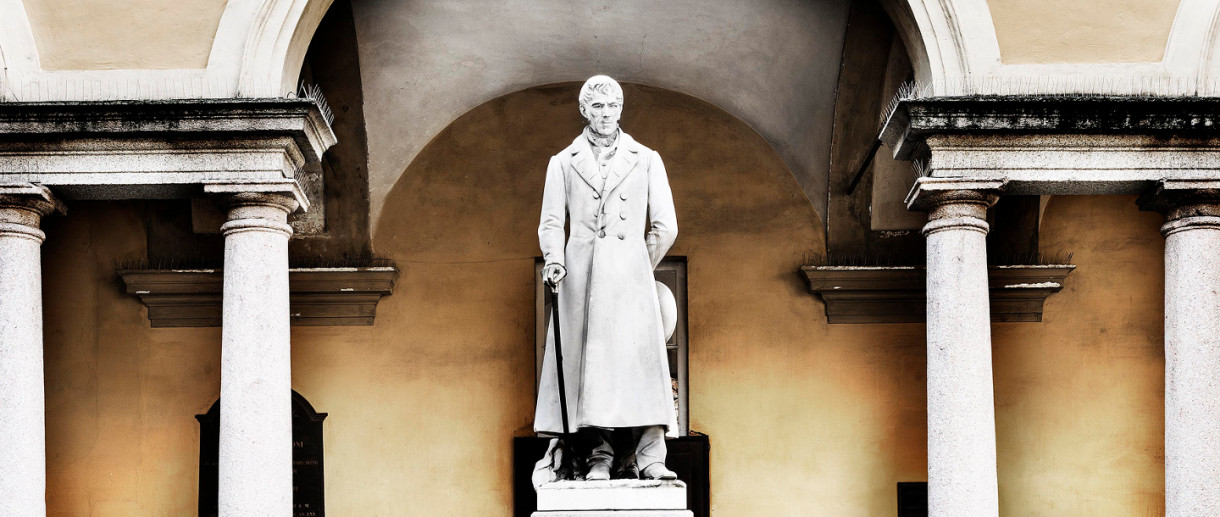
As in many historic Italian universities, Pavia also has superstitious rituals linked to studying and graduation. These are informal practices, never officially codified, yet deeply rooted in student culture. Some students avoid gestures considered unlucky, while others repeat small rituals before an important exam. Statues, staircases, and porticoes thus become symbolic places, imbued with meanings that change over time but endure across generations.
Graduation represents the most delicate moment. Around this milestone revolve numerous unwritten traditions: some students avoid talking about their thesis defense too early, others postpone certain “official” routes within the University, while some rely on repeated gestures carried out in the same way every time, such as carrying a symbolic object or always sitting in the same place while studying.
University Courtyards and Graduation: Symbolic Paths
The courtyards of the University of Pavia are not only architecturally fascinating spaces, but true places of symbolic passage. Crossing them is part of everyday student life, yet according to a widely shared tradition, walking through all of them only after graduation is considered a good omen.
For this reason, many students avoid crossing all the courtyards of the Central Building before their final defense. The first complete walk under the porticoes takes place only once the goal has been achieved, as a kind of concluding rite. It is a simple gesture, almost invisible to visitors, but full of meaning for those who perform it.
University Colleges: Microcosms of Tradition
The historic colleges of Pavia, such as Borromeo, Ghislieri, Cairoli, and the other university colleges, are true cultural microcosms. Living in a college means entering a community with precise rules, ceremonies, and customs. Each college preserves its own traditions, often linked to past events, charismatic figures, or memorable episodes of collegiate life.
Here, rites of passage are particularly significant: the arrival of new students, the first formal dinners, academic ceremonies, and moments of celebration. These experiences help create a strong sense of identity and belonging that often accompanies alumni throughout their lives.
Pavia’s Goliardic Tradition: Events and Customs Throughout the Year
Goliardy is a historical and still vibrant component of university life in Pavia. It is not merely about pranks or parties, but a tradition with roots in the Middle Ages, celebrating irony, satire, and a strong sense of community.
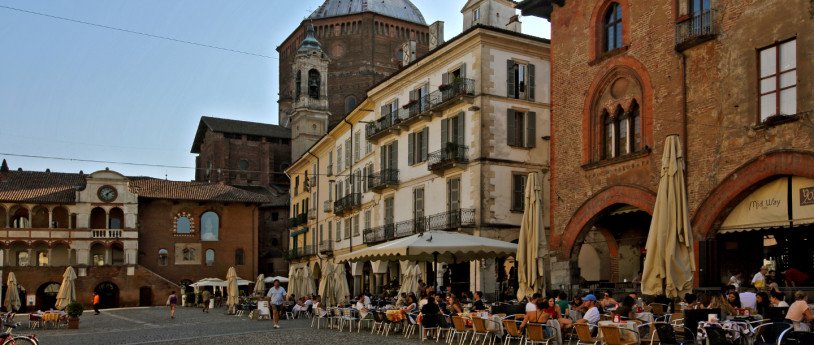
One of the most eagerly awaited events is the Liberatio Scholarum, held every year at the beginning of November. On this occasion, university students—recognizable by their colorful cloaks and feluche—visit the city’s high schools to symbolically “liberate” students from their lessons. The day continues through the streets of the city center and Piazza della Vittoria, amid songs, whistles, and moments of celebration.
During the Liberatio, the questua also takes place: a symbolic collection of offerings from citizens and passersby. These donations, often accompanied by smiles and jokes, help support goliardic activities throughout the year and represent one of the oldest aspects of this tradition.
Beyond this event, Pavia’s goliardy animates the city with meetings, parties, and initiatives involving students from different faculties and generations. There are also shared events with the university colleges, such as the Intercollegiate Treasure Hunt, which turns the historic center into a large team-based game.
The Certosa of Pavia Between Art and Superstition
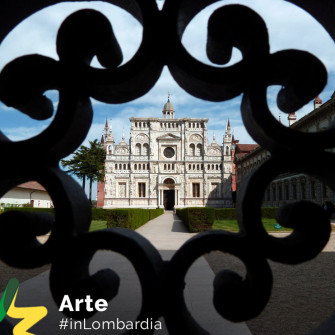
The Certosa of Pavia, founded in 1396 at the behest of Gian Galeazzo Visconti, is one of the most famous monuments in the Pavia area. A masterpiece of Renaissance art and a place of great atmosphere, it has long been a destination for visitors, scholars, and students.
Alongside its historical and artistic value, the Certosa is also linked to a well-known popular saying: “Those who go to the Certosa will neither graduate nor get married.” According to this legend, visiting the complex before achieving two fundamental milestones—graduation and marriage—could bring bad luck or hinder their completion. For this reason, local superstitious tradition suggests visiting the Certosa only after celebrating both events.
This is, of course, a superstition with no real basis, passed down with irony and lightness. Yet even today, many students prefer to postpone their visit until after graduation, turning the trip to the Certosa into a small symbolic rite marking the closure of an important chapter in life.
Anecdotes and Distinguished Figures
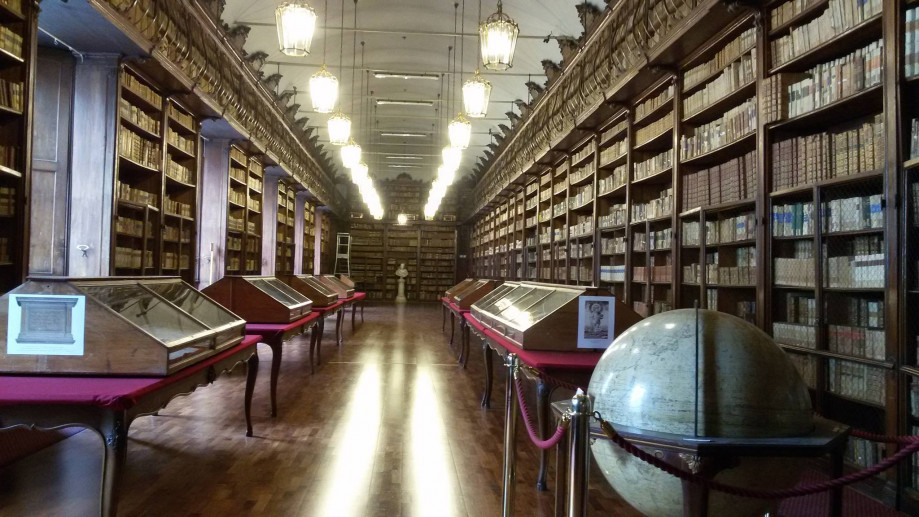
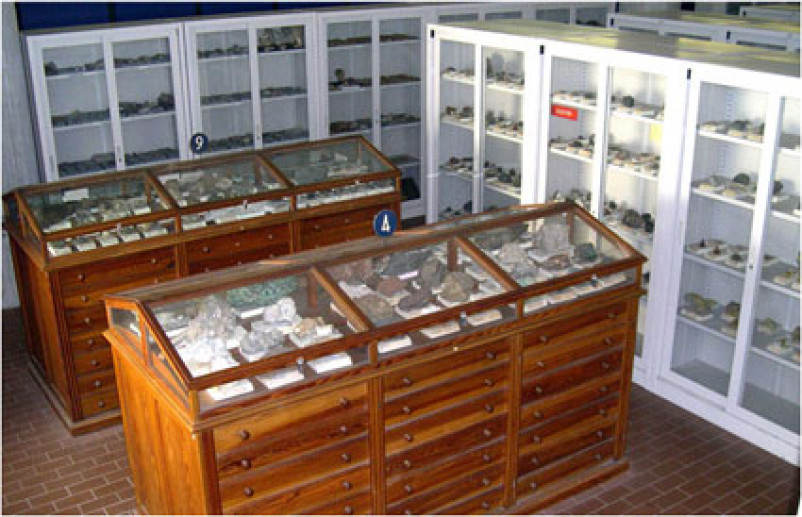
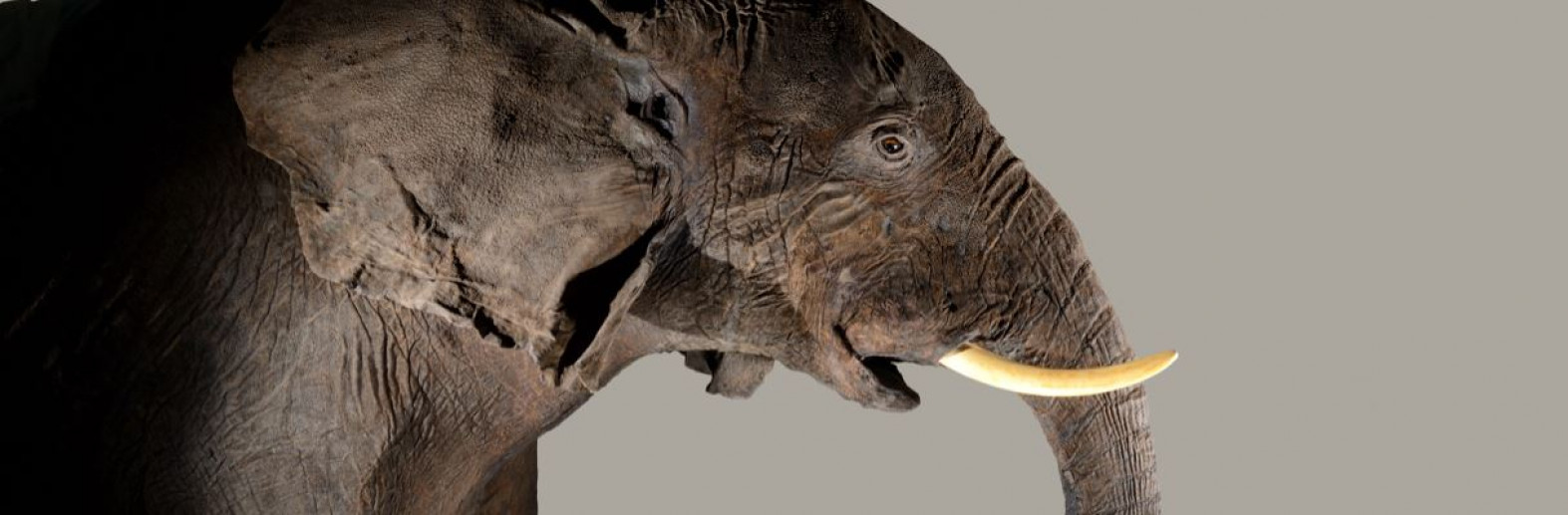
Over the centuries, the University of Pavia has been attended and animated by extraordinary figures whose names are now known worldwide. The Museum for the History of the University of Pavia, housed in the Central Building, preserves scientific instruments, documents, and testimonies that reveal the more human side of these protagonists.
Alessandro Volta, appointed to Pavia in 1778 as Professor of Experimental Physics, was famous for his lectures open to the public. It is said that he loved to amaze students and onlookers with improvised practical demonstrations, turning the classroom into a true laboratory. The Museum displays some of the instruments he used for his experiments, linked to the path that led to the invention of the battery.
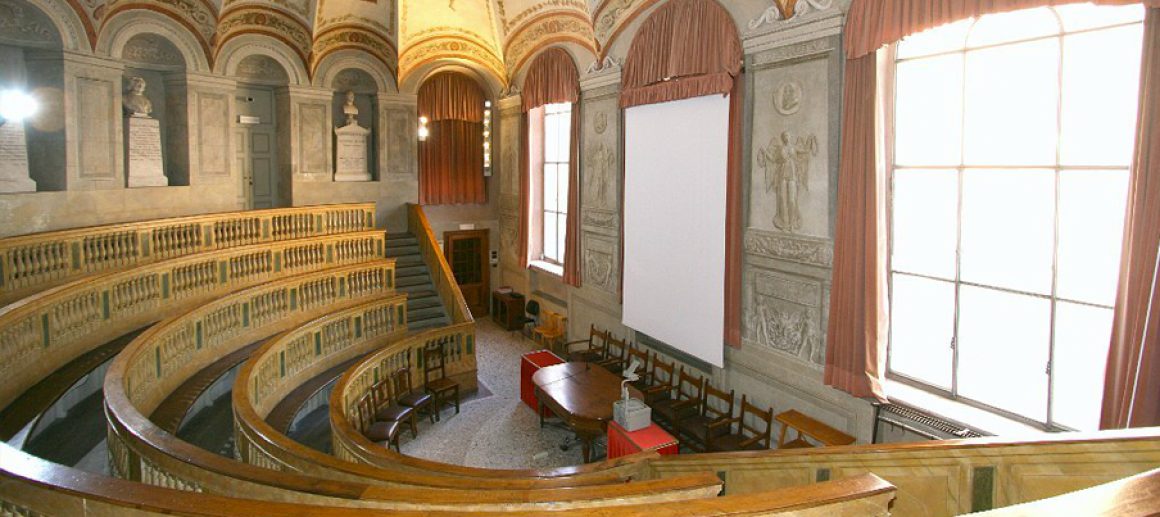
Antonio Scarpa, a great anatomist and professor, is remembered for the rigor of his teaching and the exceptionally high level of Pavia’s medical school. In the museum rooms dedicated to anatomy, materials are preserved that testify to the precise and innovative methods with which he taught, making Pavia a European point of reference.
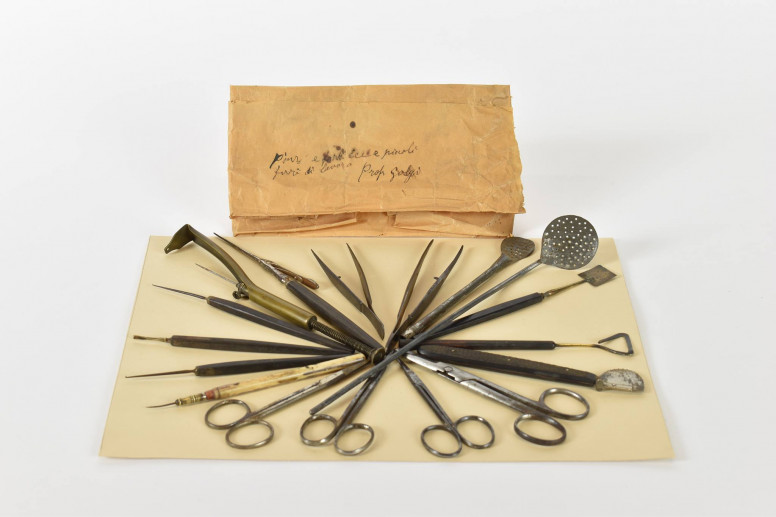
Camillo Golgi, Nobel Prize winner in Medicine in 1906, worked for many years in the University’s laboratories. Tradition recalls his absolute dedication to research: many of his insights were born during long hours of observation at the microscope. Preparations, instruments, and documents related to his work are now on display in the Museum, which tells the story of the birth of modern neuroscience.
Albert Einstein also had a connection with Pavia. As a very young man, he stayed in the city and frequented the local scientific environment. The Museum preserves some letters written by Einstein in later years, bearing witness to his lasting relationship with friends in Pavia and with the city itself.
An Intangible Heritage to Discover
The legends, rituals, and goliardic traditions of the University of Pavia represent an intangible heritage that enriches the experience of the city. They are not found on tourist maps, but emerge while walking through the courtyards, observing student life, and listening to the stories of those who live in Pavia every day.
Visiting the University of Pavia therefore means not only admiring its architecture and official history, but also coming into contact with a living tradition, made up of gestures, symbols, and stories that continue to give identity to one of Italy’s most fascinating universities.
Photo: University of Pavia
Other links
FacebookUniversità di Pavia
Quick Facts and Tips for Visitors
-
Take your time strolling through the courtyards of the Central Building: they are the symbolic heart of university life in Pavia.
-
If you visit Pavia in November, you may witness the Liberatio Scholarum, one of the most authentic moments of student tradition.
-
The Certosa of Pavia is easily reachable from the city center and represents a much-loved symbolic destination after graduation.
-
A visit to the Museum for the History of the University of Pavia allows you to explore in greater depth the stories and anecdotes of the great figures who made the University famous.
-
Talking with students and graduates is often the best way to discover unwritten traditions.
These curiosities make a visit to Pavia more complete and allow visitors to discover the University not only as a place of study, but as a living part of the city’s identity.