- Art & Culture
- Villages
The Witches' Tower of Varzi
The history and legend of the Malaspina Tower

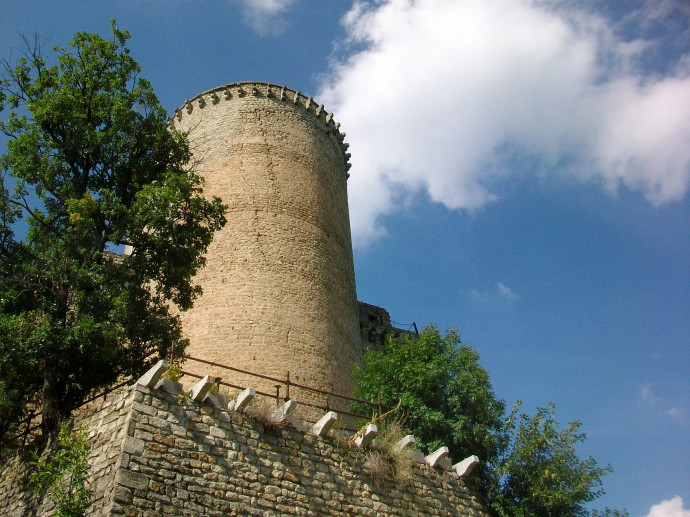
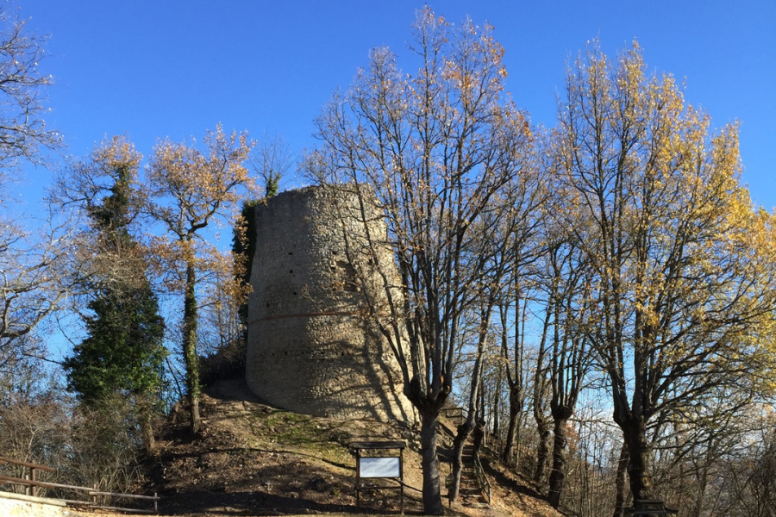
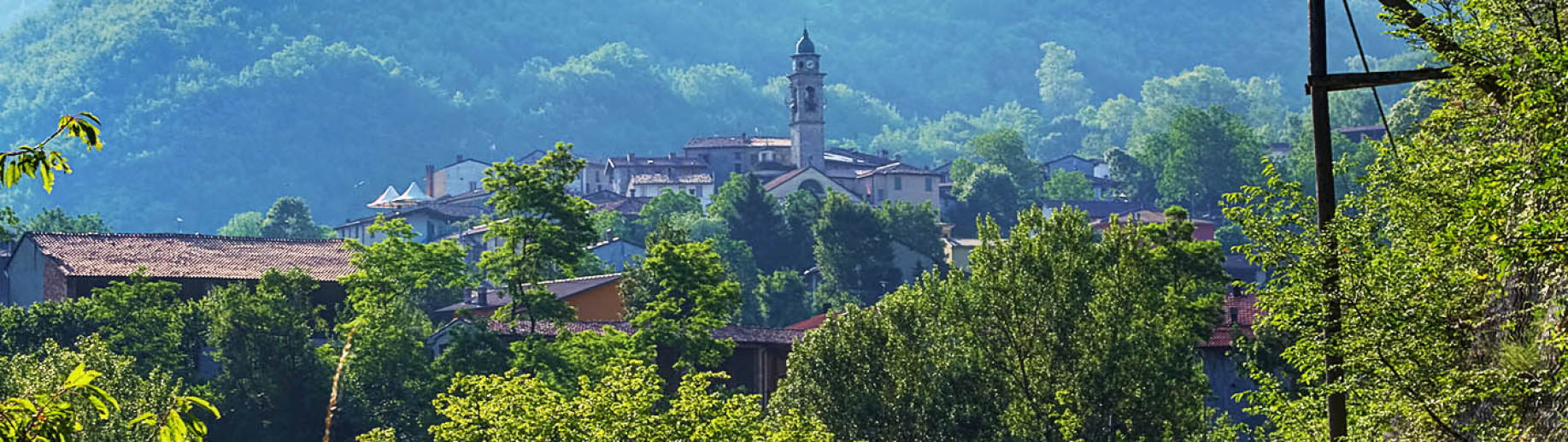
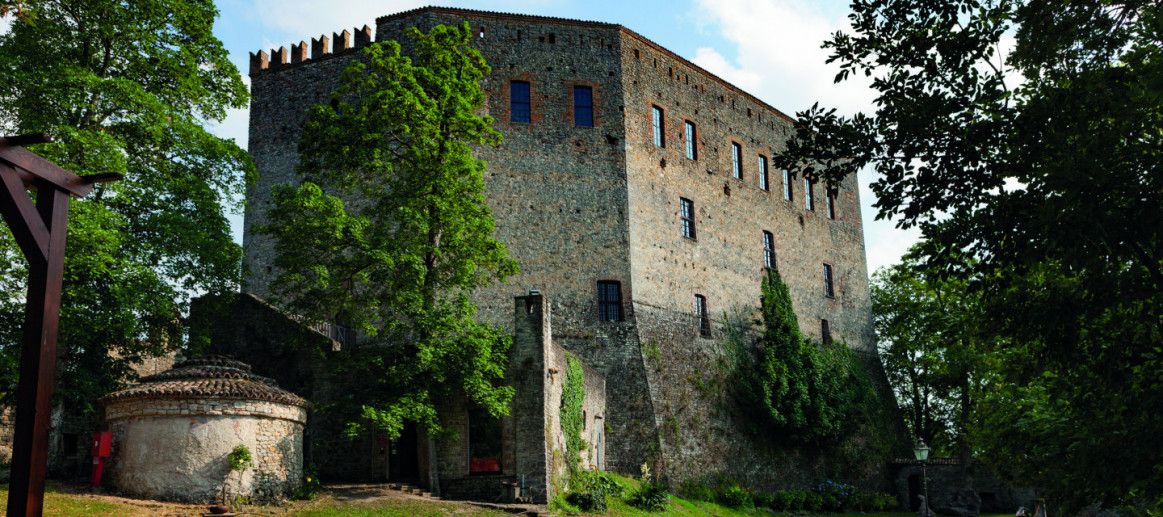
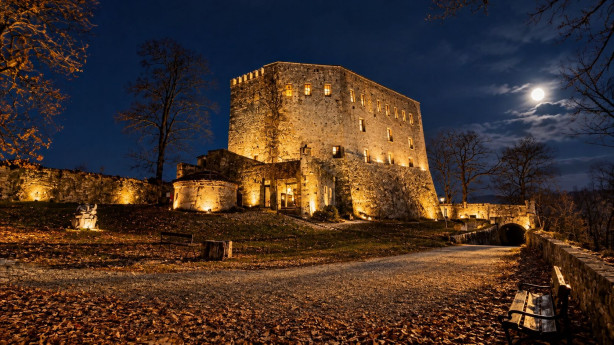
In the heart of the medieval village of Varzi, overlooking Piazza del Municipio, stands an imposing tower that has dominated the landscape of the Oltrepò Pavese for almost eight centuries. Officially known as the Malaspina Tower, it is more commonly called the Witches' Tower, a name that recalls one of the most fascinating chapters of its history. Climbing its staircase means retracing centuries of the Malaspina family's rule before reaching a panoramic terrace that offers one of the finest views over Varzi and the Staffora Valley.
The origins: a Malaspina stronghold between the 12th and 13th centuriesThe tower was built between the 12th and 13th centuries by the powerful Malaspina family, who were consolidating their control over the upper Staffora Valley during that period. After receiving the imperial investiture from Emperor Frederick Barbarossa in 1164, the Malaspina gradually moved the centre of their marquisate from the more secluded but less accessible Castle of Oramala to Varzi, where they established the fortified complex of which the tower remains the most distinctive landmark.
The castle remained in the possession of the Malaspina family until the second half of the 15th century, when it passed, together with part of the fiefdom, to the Sforza of Santa Fiora, later known as the Cesarini Sforza family. Today, the tower belongs to the Municipality of Varzi, while the adjoining castle complex is privately owned.
Why is it called the "Witches' Tower"?The nickname by which the tower is best known originates from one of the area's most enduring historical traditions. The four superimposed rooms inside the tower, connected by a long and steep staircase, were already being used as a prison during the feudal period, a function documented in the Malaspina Statutes of 1320.
According to local tradition, in 1460 twenty-five women and several men accused of witchcraft by the Holy Inquisition were imprisoned in the tower before being taken to the stake in the square outside, today's Piazza del Municipio. The tower is said to owe its popular name to this episode, which has inspired legends and stories throughout the Oltrepò Pavese for centuries.
The tower continued to serve as a prison long after the period of the Inquisition. It became the jail of the Varzi district and later housed the detention cells of the local Carabinieri station until the 1960s, when the security cells were transferred to the new barracks, bringing to an end more than six centuries of continuous use as a place of detention.
Architecture: dimensions and remarkable featuresThe Malaspina Tower has a solid square plan. Standing approximately 29 metres high on the Piazzetta Moro side, it has a perimeter of 32.8 metres. The walls measure about 1.7 metres thick at the base, gradually narrowing to approximately 65 centimetres near the top.
Visitors must climb 130 steps to reach the panoramic terrace: 41 steps built within the outer structure and a further 89 carved into the cavity between the tower walls, creating a narrow and atmospheric ascent that is an essential part of the experience.
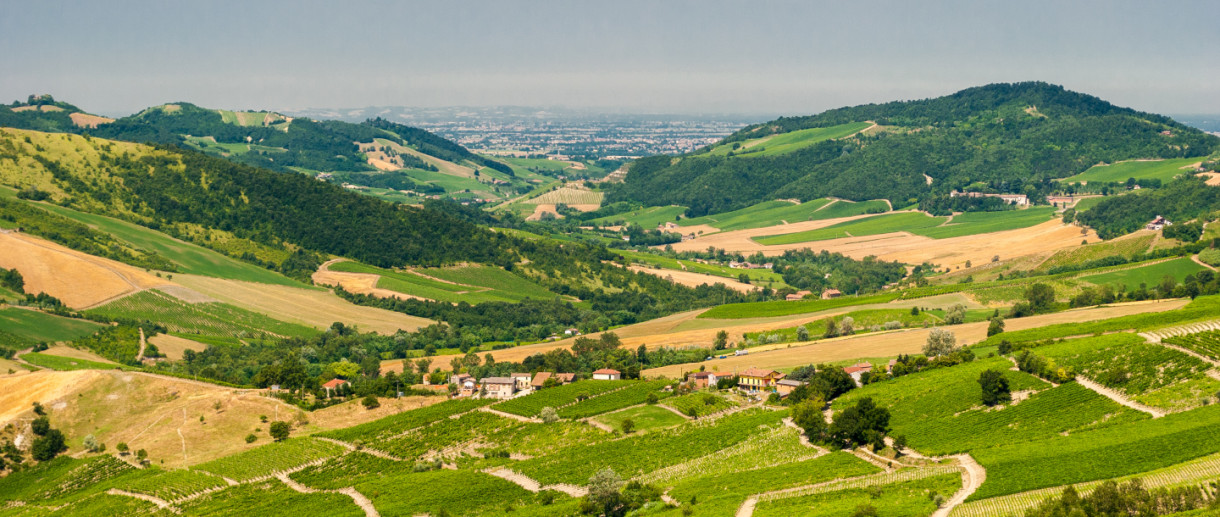
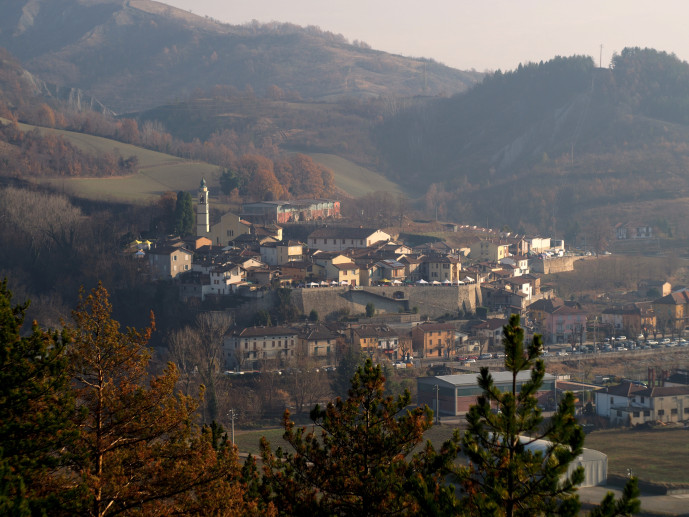
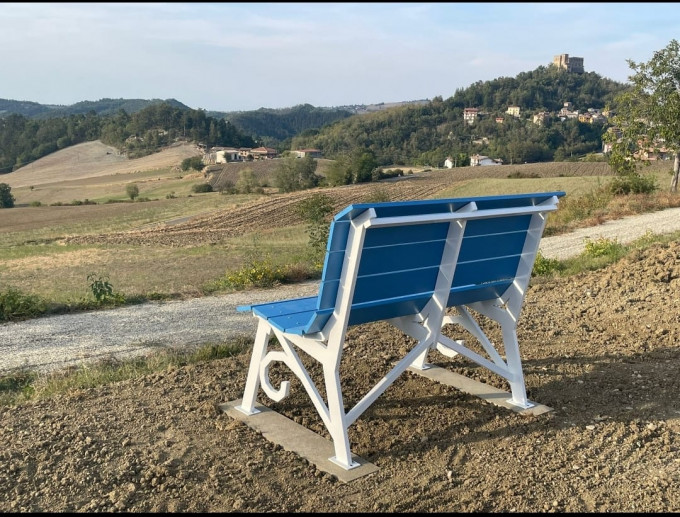
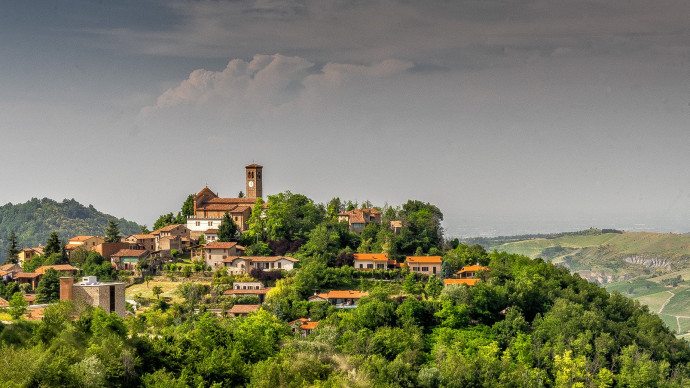
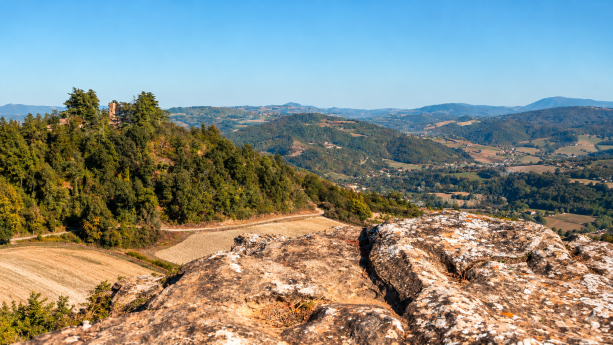
From the summit, visitors enjoy sweeping views across the medieval village of Varzi, the Staffora stream, the surrounding hills and, on particularly clear days, as far as Oramala Castle.
The Malaspina Castle: seven centuries of historyThe tower is not an isolated monument but the most recognisable element of the Malaspina Castle complex, which has occupied the historic heart of Varzi for centuries.
The earliest document mentioning a Malaspina residence in Varzi dates back to 1168, when a deed concerning the sale of the Pizzocorno fief to the Abbey of Sant'Alberto was drawn up there. The complex was enlarged and altered several times over the following centuries, especially after 1275, when the division of the Malaspina inheritance led to the creation of the independent Fief of Varzi.
The castle visible today consists of three buildings from different periods. The most recent, facing the main square, features an eighteenth-century exposed stone façade decorated with a sundial. A second wing, dating from the 15th century, opens onto a narrow side street and preserves a pointed stone portal bearing the coat of arms of the Spino Secco branch of the Malaspina family, together with an elegant inner courtyard framed by large brick arches. The oldest section dates back to the 13th century, was built at the same time as the tower and is connected to it by a passage running through the attic. Traces in the masonry suggest that the building was originally crowned with battlements.
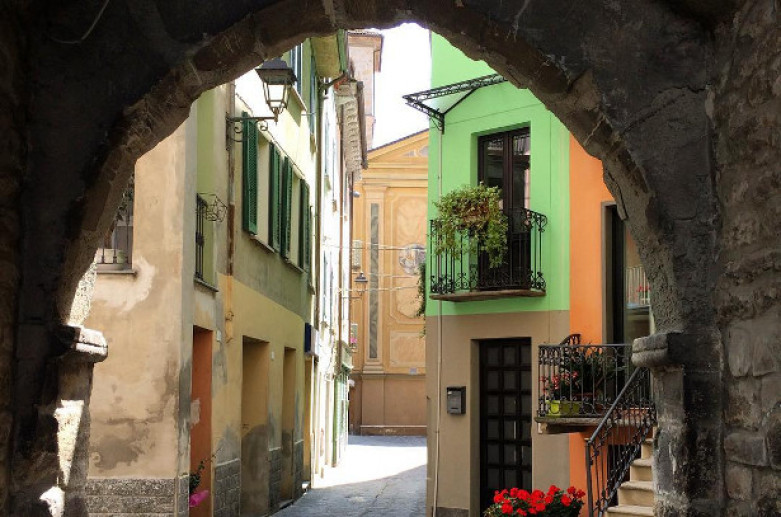
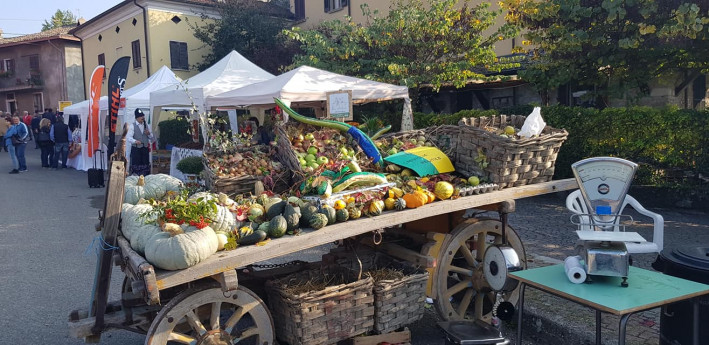
What to see in Varzi after visiting the towerA walk through Varzi's historic centre reveals arcaded streets, cobbled alleys, medieval towers, ancient churches and historic palaces that tell the story of one of Lombardy's most beautiful medieval villages. Traditional food shops also offer the opportunity to discover local specialities such as Salame di Varzi PDO, almond cake, mountain cheeses and seasonal produce from the Apennines.
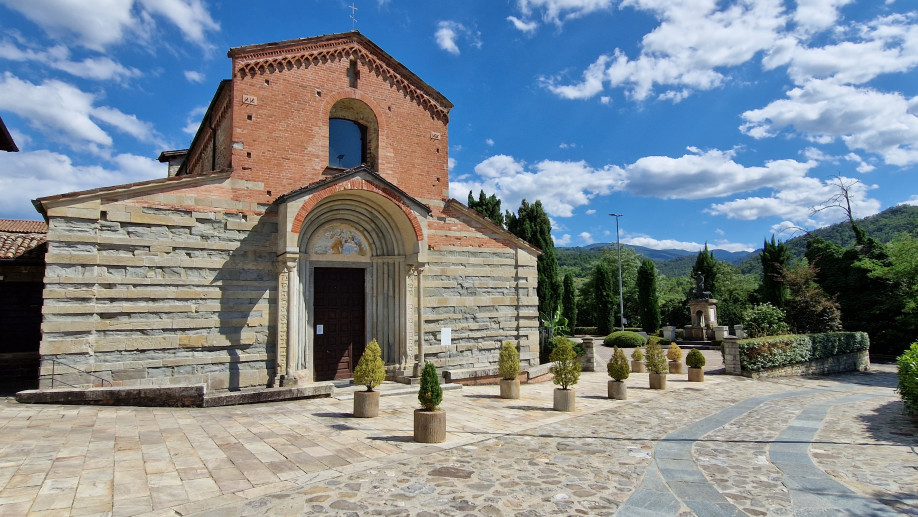
Visitors with more time can continue their itinerary to the Church of Saints Germano and Protaso, commonly known as the Capuchin Church, an important Romanesque monument dating from the 12th and 13th centuries; the castle and pine forest of Pietragavina; Oramala Castle, the original seat of the Malaspina family; the Temple of Brotherhood in Cella; and the small church of Bosmenso, all located just a few kilometres from Varzi.
Visitor informationThe Malaspina Tower has been restored through a project promoted by the Municipality of Varzi with the support of local residents and private sponsors.
The interior is open only during special opening days, cultural events and guided tours organised by the Municipality and local associations. Visitors are advised to check the official calendar before planning their visit.
Did you know?The Witches' Tower is one of the most photographed landmarks in the Oltrepò Pavese. During public openings, its panoramic terrace offers breathtaking 360-degree views over the medieval village of Varzi, the Staffora Valley and, on clear days, as far as Oramala Castle, allowing visitors to admire in a single glance the landscape that once formed the heart of the Malaspina domains.