- Villages
Retorbido
A Millenary Village Between Lombard History, Neoclassical Art and Living Traditions


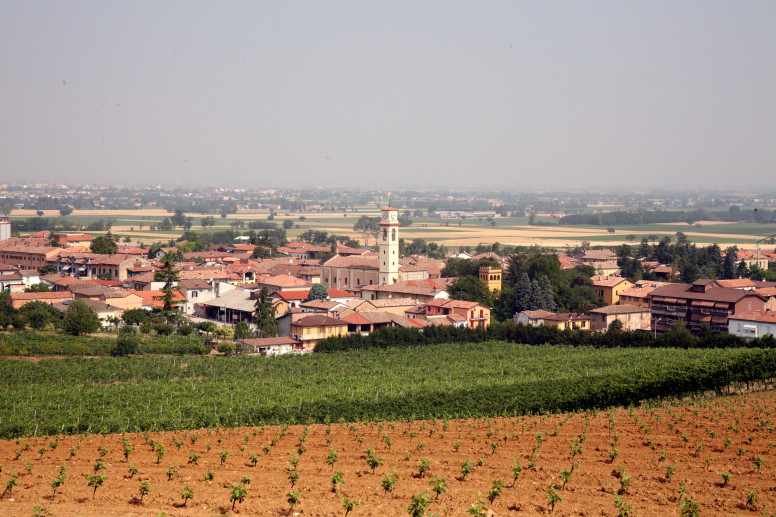
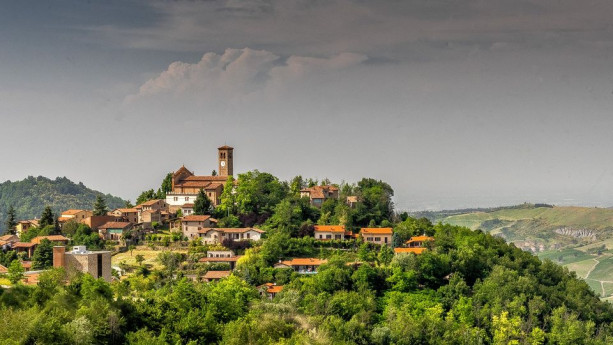
Nestled among the gentle hills of the Oltrepò Pavese, the village of Retorbido preserves an extraordinary story spanning two thousand years of civilization: from its Roman origins to the Lombard era and the refined Neoclassical elegance of the Savoy period. Today it is also known as the capital of polenta and the legendary figure of Bertoldo, a clever peasant hero beloved throughout Italy.
Retorbido in Antiquity: Litibium, the Roman Village of Oltrepò
The roots of Retorbido date back to the Roman age, when the settlement was known as Litibium. This Latin name testifies to the presence of a structured community in an area that, thanks to its strategic location between the valleys of the Ligurian Apennines and the Po Valley, played an important role in the commercial and military routes of the time.
The name Litibium still represents a living link with Roman Retorbido and is one of the oldest documented references in the entire Pavia area. For travelers interested in ancient history, the site offers the fascinating opportunity to walk across land layered with millennia of human presence.
The Gift of King Liutprand: Retorbido and the Monastery of San Pietro in Ciel d’Oro
With the arrival of the Middle Ages, Retorbido entered a new chapter of its history. The village was donated by the Lombard king Liutprand to the famous monastery of San Pietro in Ciel d’Oro in Pavia, one of the most prestigious abbeys of Lombard Italy, which still preserves the remains of Saint Augustine and Severinus Boethius.
This donation placed Retorbido within a network of political power and religious culture that extended across the Lombard kingdom. The relationship between the village and the great Pavia abbey remained central for centuries, shaping the economic and urban development of the area. For this reason, Lombard Retorbido is considered today one of the most significant examples of how medieval monastic power influenced the rural landscape of the Oltrepò Pavese.
Centuries of Disputes and the Savoy Era: The Neoclassical Period of Retorbido
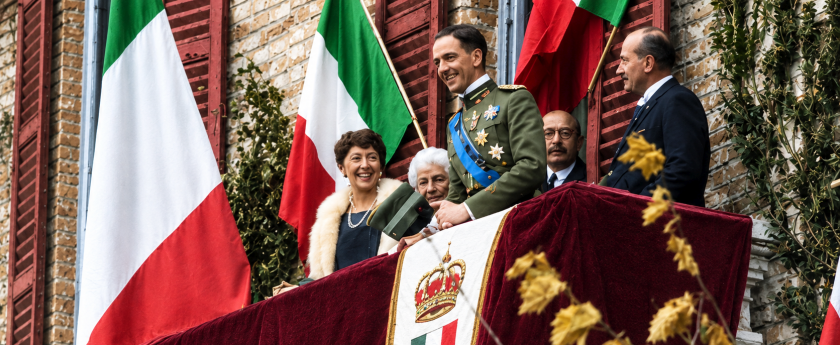
For centuries Retorbido was at the center of disputes between noble families and ecclesiastical authorities. In 1753 the village became a possession of the House of Savoy. This transition marked a profound turning point in the architecture and social life of the settlement: it was during this period that its main Neoclassical buildings were constructed, many of which are still perfectly preserved today.
The Parish Church of the Nativity of the Blessed Virgin Mary
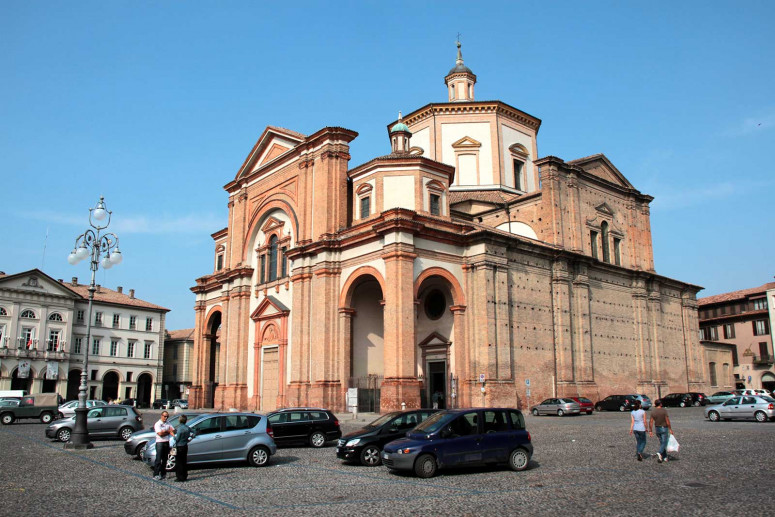
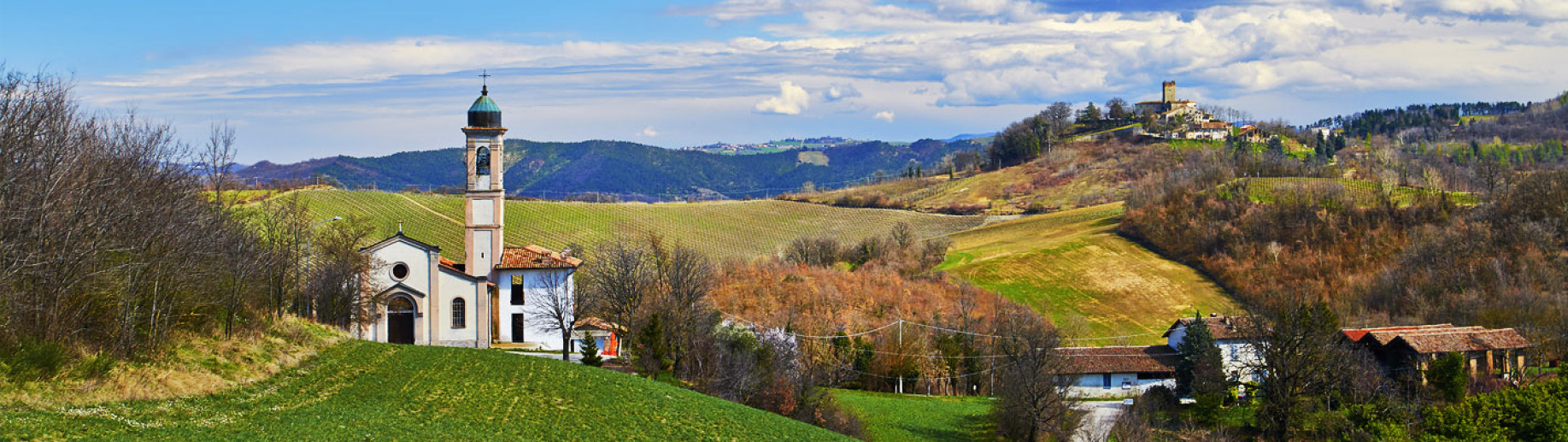
Built in the 18th century, the Church of the Nativity of the Blessed Virgin Mary is the religious heart of Retorbido. Its Neoclassical style, with the sober and harmonious lines typical of Savoy architecture, fits elegantly into the urban fabric of the village. Overlooking the main square, it offers visitors an architectural and spiritual experience of remarkable beauty.
Palazzo Negrotto Cambiaso Durazzo Pallavicini (18th Century)
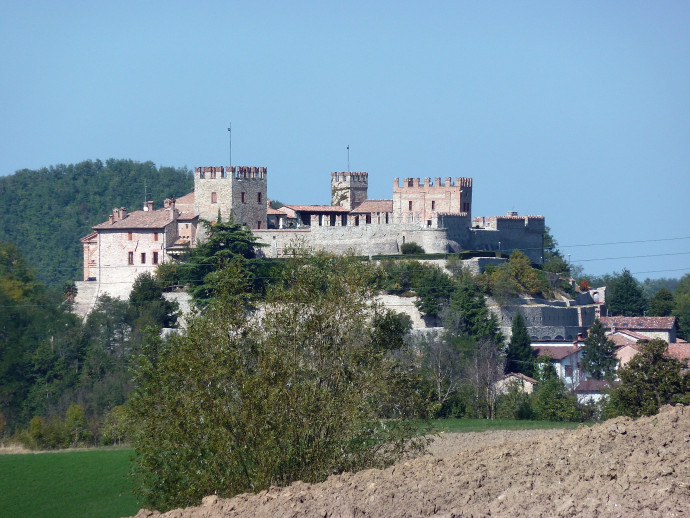
Another masterpiece from the Savoy period is Palazzo Negrotto Cambiaso Durazzo Pallavicini, an imposing 18th-century noble residence that reflects the prestige and refined taste of the aristocratic families connected to the court of Turin. Its Neoclassical façade and interiors represent an important historical and artistic testimony of Savoy-era Oltrepò.
The Voghera–Varzi Greenway: Cycling and Walking Through the Villages of Oltrepò
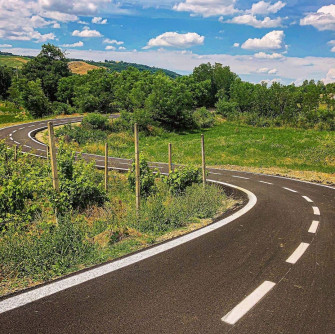
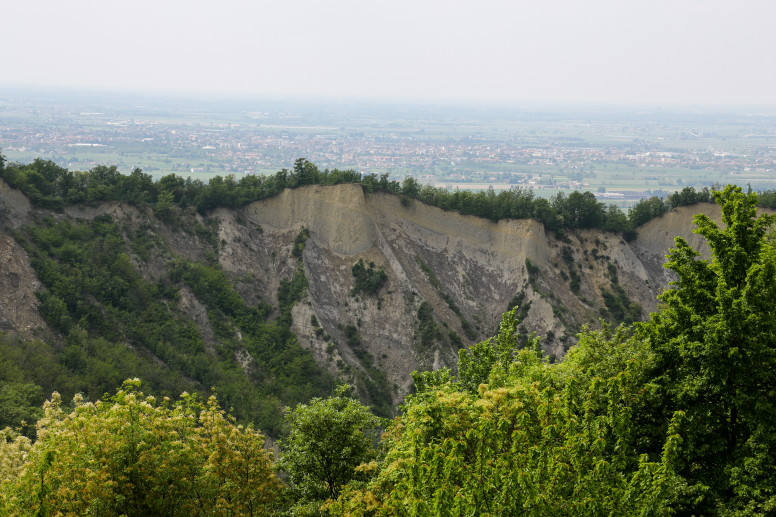
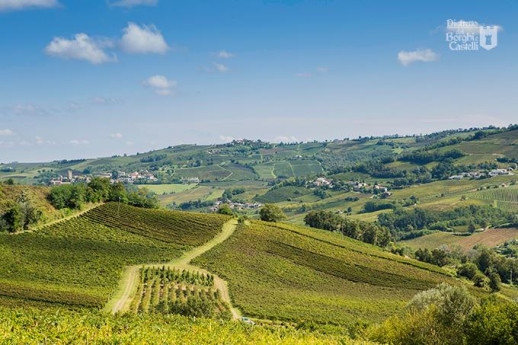
Retorbido is one of the most charming stops along the Voghera–Varzi Greenway, the cycling and walking route that crosses the heart of the Oltrepò Pavese, connecting Voghera to Varzi along the former Voghera–Varzi railway line. The path is mostly flat and almost entirely paved, making it ideal for families, amateur cyclists and walkers of all ages as it winds through vineyards, woods and historic villages surrounded by the hills of the Pavia Apennines.
The full route extends for about 35 kilometers and passes through landscapes of remarkable variety: from the vineyards producing Barbera and Bonarda wines to the chestnut woods and pastures of the upper Staffora Valley. Passing through Retorbido, the Voghera–Varzi Greenway offers the opportunity to discover the village, admire its Neoclassical architecture and enjoy views over the surrounding hills before continuing toward Varzi or returning to Voghera.
This gentle and sustainable itinerary has become one of the most appreciated outdoor routes in the Province of Pavia, promoting slow tourism, local food and wine traditions, and the historical and cultural heritage of the small villages of Oltrepò. With its millenary history and authentic character, Retorbido is one of the most beautiful places to stop along the way.
The Giant Bench of Retorbido: A Big Bench with a View Over Oltrepò Pavese
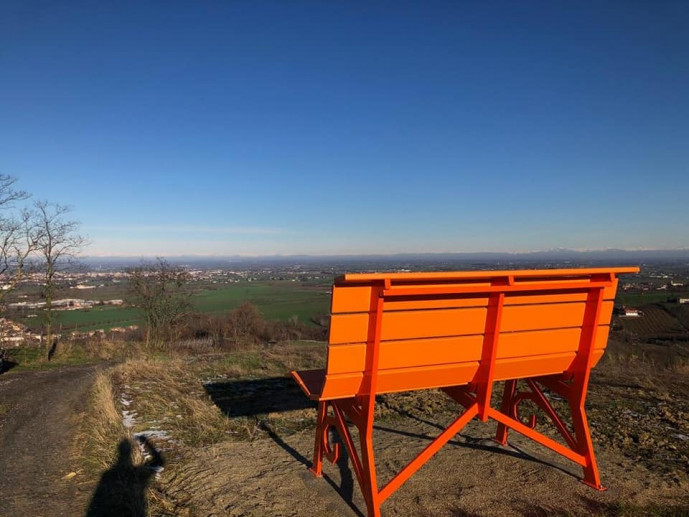
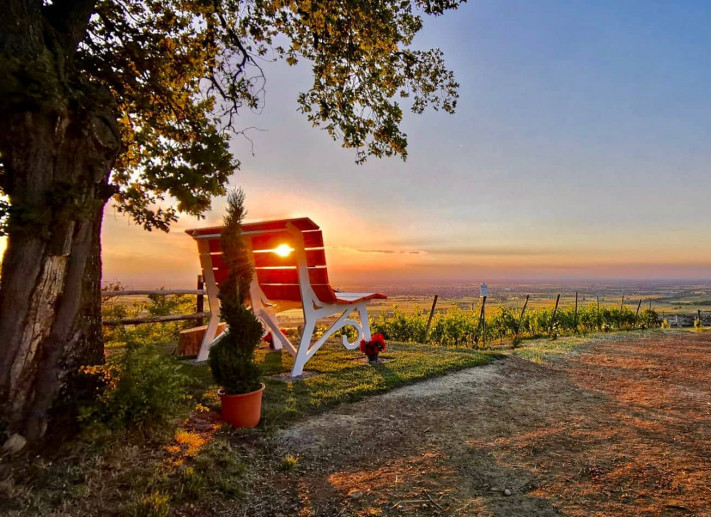
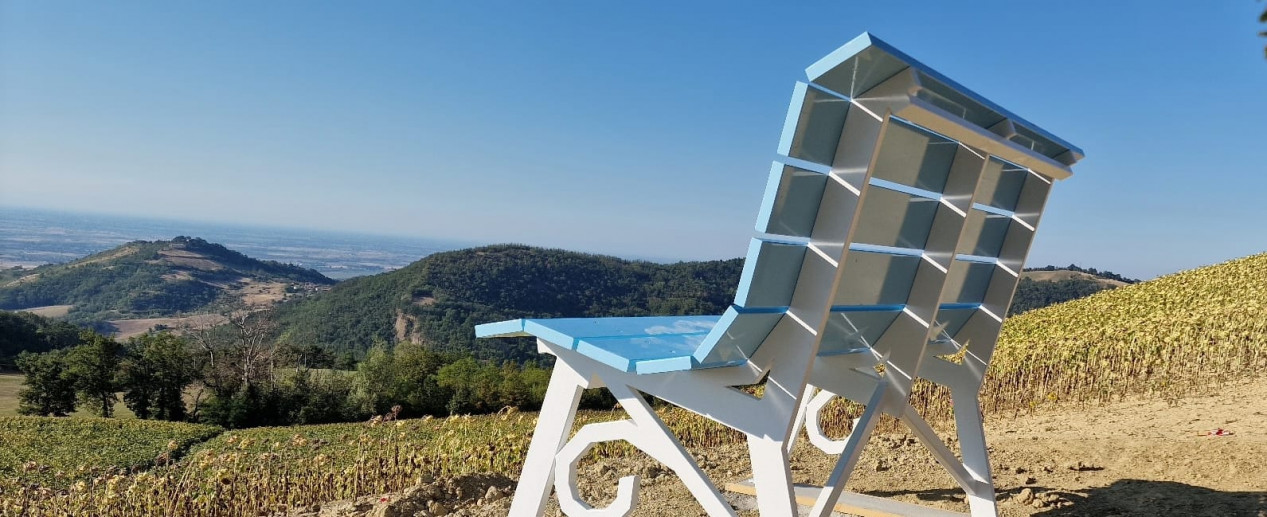
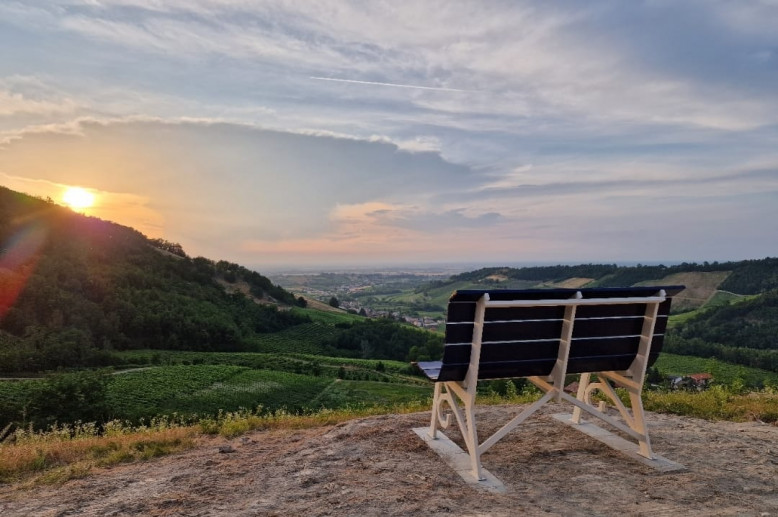
Among the most photographed attractions in Retorbido is the Giant Bench, part of the famous international Big Bench Community Project created by American designer Chris Bangle. The colorful bench — sixteen times larger than a normal one — is placed at a panoramic viewpoint among the hills of Retorbido, offering sweeping views over vineyards and villages across the Oltrepò Pavese.
Sitting on the Big Bench is an experience that combines a sense of play and wonder with the contemplation of the landscape: visitors suddenly feel like children again, with their feet suspended in the air and a breathtaking panorama in front of them. It is one of those places capable of restoring the joy of simple amazement, regardless of age or season.
The Giant Bench of Retorbido has become a landmark for outdoor tourism in the Oltrepò Pavese. Reachable on foot, by bicycle along the Voghera–Varzi Greenway, or by car, it is an ideal destination for a day trip combining nature, art and landscape. It is also a favorite spot for photographers: at sunset, when the hills glow in warm golden light, the view from here becomes truly extraordinary.
The Polentone Festival: Bertoldo, the Clever Peasant Who Won Over the Lombard Court
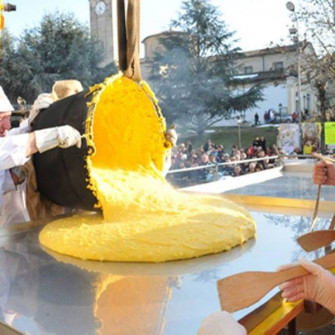
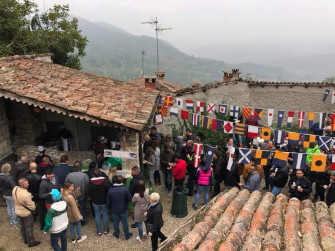
On the second Sunday of March, Retorbido becomes the stage for one of the most original and beloved folk festivals in the Province of Pavia: the Polentone Festival. The event celebrates Bertoldo, the ingenious peasant protagonist of the famous tale written by Giulio Cesare Croce in the 16th century, who according to a local legend was born right here in the hills of Retorbido.
The Origins of the Festival: Bertoldo’s Return from the Court of King Alboin
The festival has very ancient roots. According to tradition, Bertoldo himself created the celebration to mark his triumphant return home from the Lombard court of King Alboin. The peasant from Retorbido, thanks to his sharp wit and rustic intelligence, had managed to outsmart the scholars and powerful figures of the court, earning fame and respect. The festival is therefore a tribute to popular wisdom, rural humor and the strength of local traditions.
The Historical Parade: Bertoldo, King Alboin and Queen Rosamund
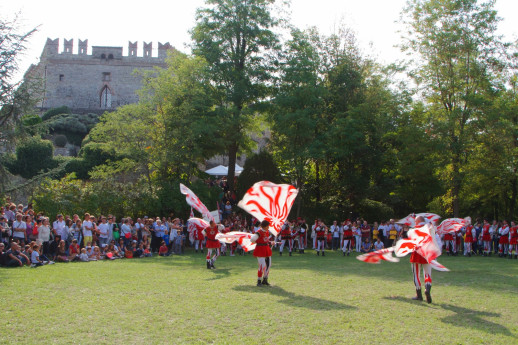
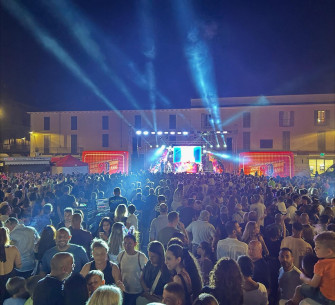
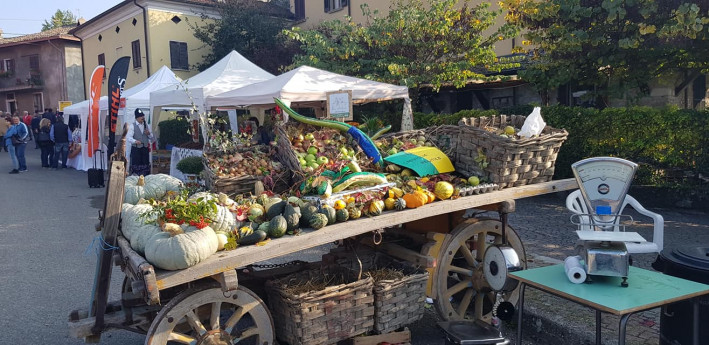
The most evocative moment of the day is the historical parade that winds through the streets and squares of the village. Bertoldo marches together with King Alboin and Queen Rosamund among period costumes, music and colors. Visitors can join the royal procession and experience the lively atmosphere of a festive medieval celebration while strolling through the traditional market stalls that fill the town center.
Polenta, Salami and Oltrepò Wines: The Taste of Tradition
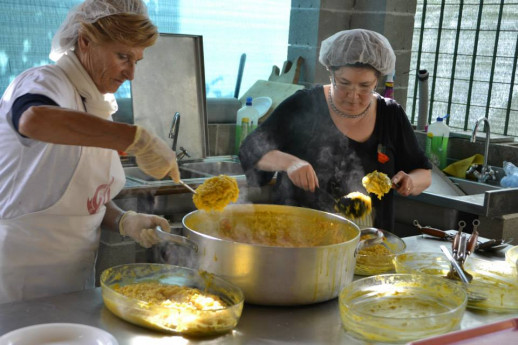
The afternoon ends in a joyful and convivial atmosphere with the free distribution of polenta, salami and local wines from the Oltrepò Pavese. It is a unique opportunity to discover the authentic flavors of the territory and share them in a genuine moment of community celebration.
The Burcianéla Trophy and the District Palio
During the Polentone Festival, two competitions further enliven the celebration: the Burcianéla Trophy and the District Palio. These contests create a lively spirit of friendly rivalry among the different neighborhoods of the village, keeping alive a strong sense of community and local identity.
Practical Information for Visiting Retorbido
Polentone Festival: second Sunday of March
Location: Retorbido, Province of Pavia, Oltrepò Pavese
Highlights: Church of the Nativity of the Blessed Virgin Mary, Palazzo Negrotto Cambiaso Durazzo Pallavicini
Local specialties: Polenta, traditional salami, DOC wines of the Oltrepò Pavese.