- Religious Tourism
The Temple of the Fraternity of Peoples


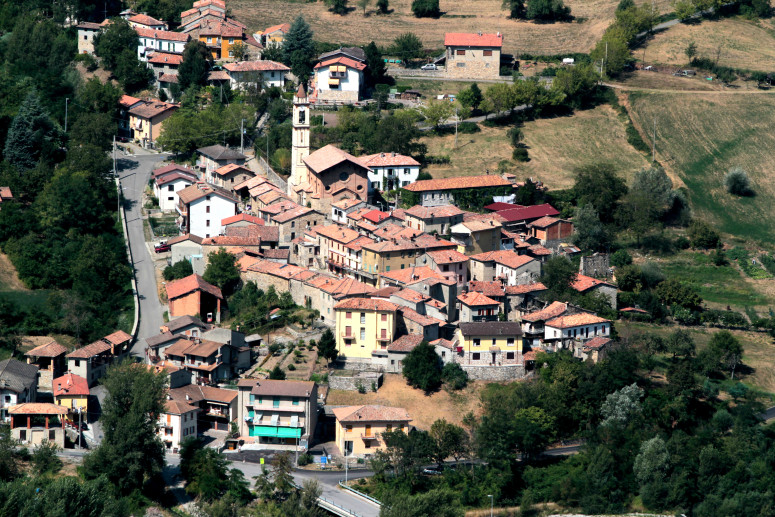
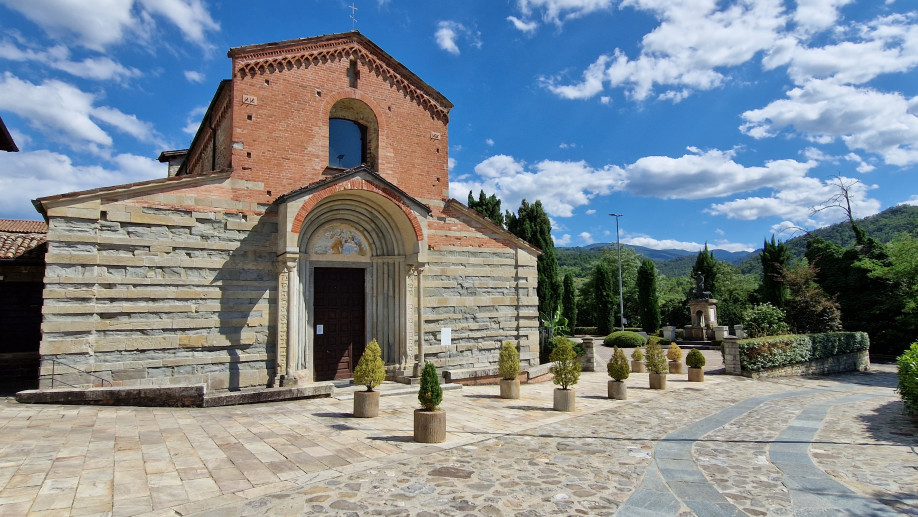
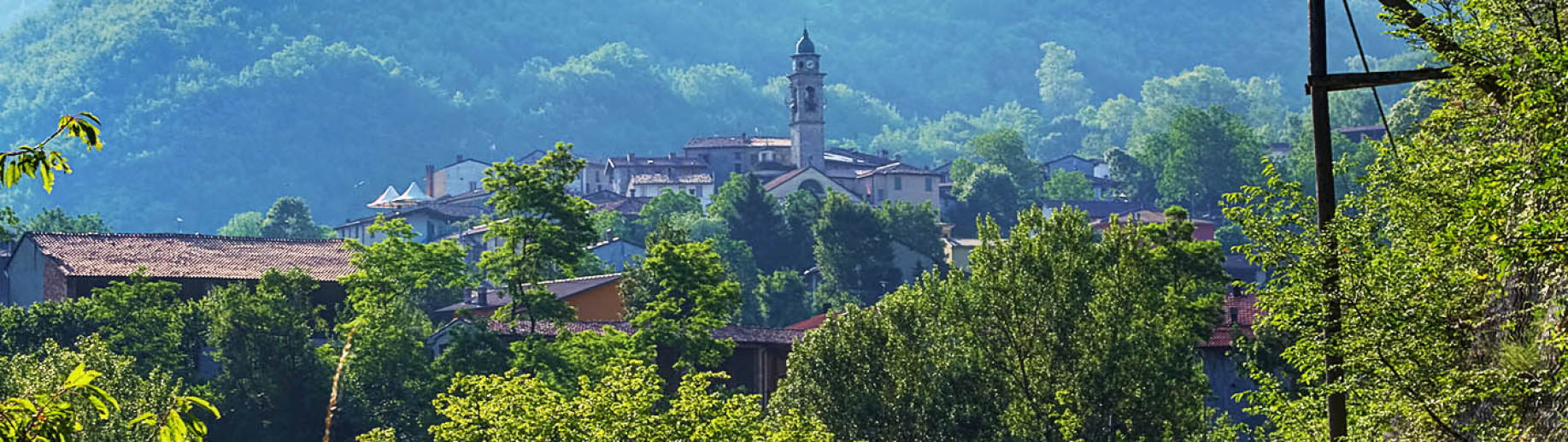
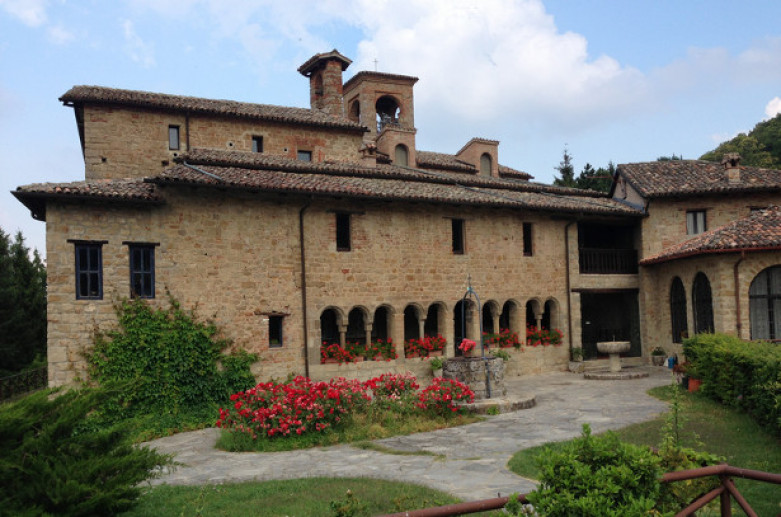
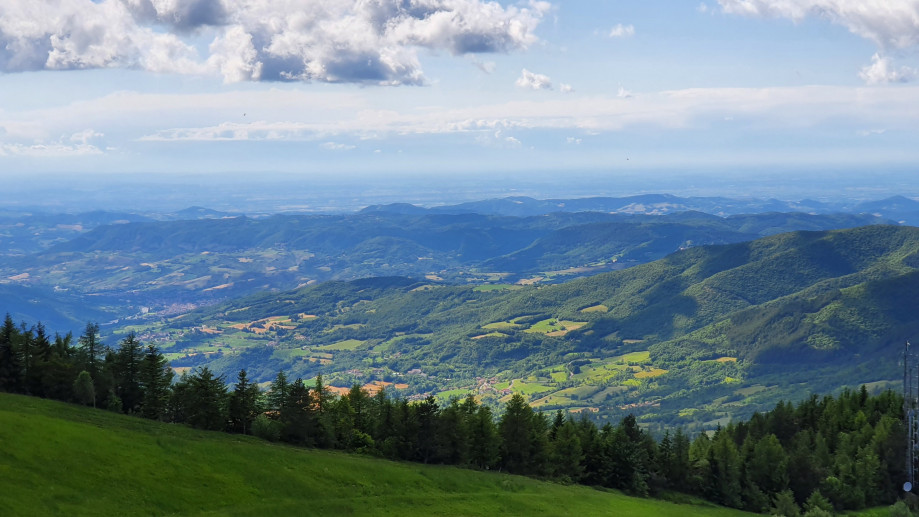
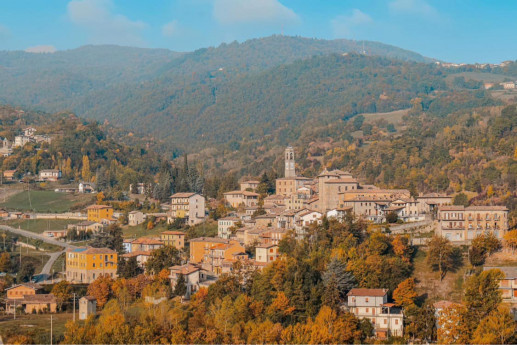
In Cella di Varzi, at an altitude of about 700 metres amid the forests of the Upper Staffora Valley, stands one of the most remarkable places in the Oltrepò Pavese: the Temple of the Fraternity of Peoples, a sanctuary created to transform the scars of war into a universal message of peace. Built on the remains of the ancient Church of San Marziano and enriched with materials, relics and artifacts collected from sites devastated during the Second World War, the Temple is far more than a monument. Every stone tells the story of destruction transformed into hope, while every liturgical object embodies reconciliation and renewal. For visitors exploring the Staffora Valley or the nearby Curone Valley, it offers a unique journey through history, spirituality and shared memory.
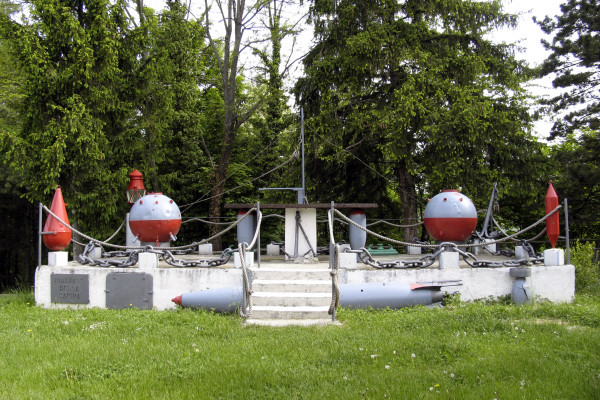
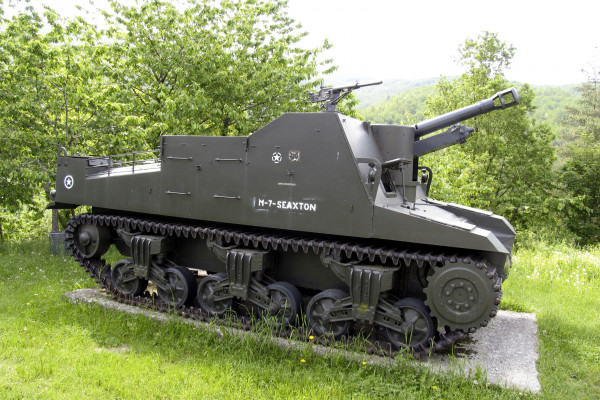
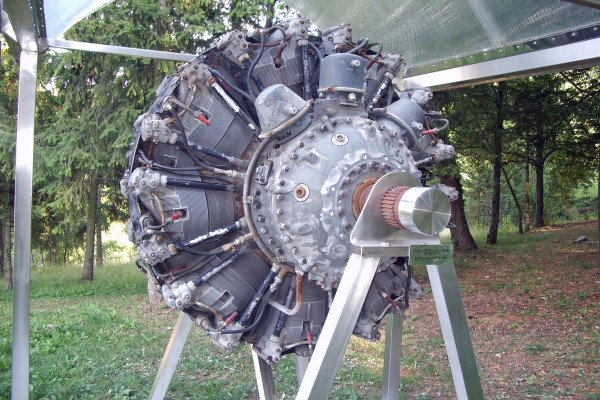
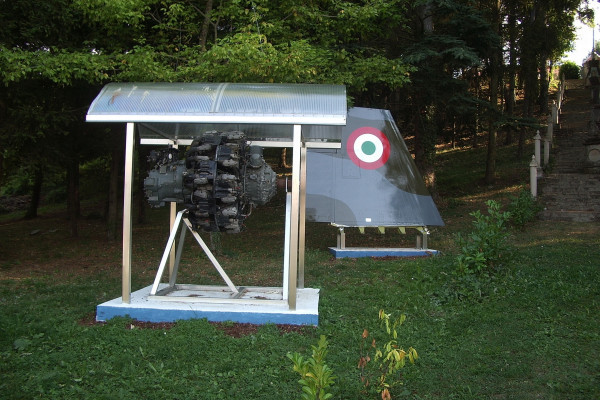
An Army Chaplain's Dream of a Church of PeaceThe story of the Temple began in the years following the Second World War thanks to the vision of Father Adamo Accosa, an Alpine troops military chaplain during the conflict. Deeply affected by the devastation he had witnessed, Father Accosa envisioned rebuilding the church of Cella, which had been severely damaged, and transforming it into a symbol of universal brotherhood. The new sanctuary would be enriched with fragments gathered from war-torn places and with weapons and military equipment converted into sacred furnishings, turning instruments of destruction into symbols of peace and new life.
The Stone from Coutances and the Support of the Future Pope John XXIIIA chance meeting in Paris gave decisive momentum to the project. There Father Accosa met Archbishop Angelo Roncalli, then Apostolic Nuncio and the future Pope John XXIII, who enthusiastically embraced the initiative and helped secure its first significant relic: a fragment of the altar from a church near Coutances, in Normandy, destroyed during the Allied landings of June 1944.
The stone arrived in Cella on 7 September 1952, brought by a delegation from Paris and pulled on a flower-decorated sled by the village children because the access road had not yet been completed. After being blessed, it was placed where the Temple's historic altar still stands today.
From the Ruins of War to a Universal Message of PeaceMany more fragments soon followed, arriving from around one hundred locations devastated by war, including Berlin, London, Dresden, Warsaw, Monte Cassino, El Alamein, Hiroshima, Nagasaki and many other symbolic places of the twentieth century. Each contributed a fragment of its historical or religious heritage to the construction of the High Altar.
Among the most significant donations were fragments from Milan Cathedral, including pieces of its spires that had fallen during the August 1943 bombings, together with part of the cathedral's original marble flooring, which can still be seen in the Temple's presbytery.
Weapons Turned into Symbols of LifeThe Temple's entire liturgical furnishing reflects its powerful message of reconciliation. The baptismal font is made from the breech block of a 305 mm gun from the Italian battleship Andrea Doria, while the crucifix is assembled from weapons donated by different nations and shaped into the figure of Christ.
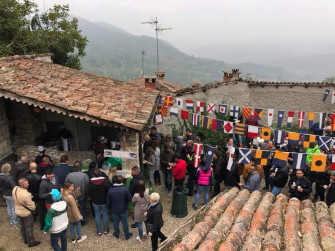
The remains of two British landing craft used during the Normandy landings form the former pulpit, now preserved as a historical testimony. Display cases along the communion rail contain pebbles, shells and sand collected from some of the world's best-known rivers, each carefully identified by its place of origin. The walls are decorated with the flags of many nations, underlining the Temple's universal vocation. The visit also includes a Chinese Madonna and an image of Our Lady of Luján, Patroness of Argentina, both representing fraternity among peoples and cultures.
Honouring the Carabinieri and More Recent MemorialsThe Temple continues to welcome new memorials and symbols of peace. Inside stands a wooden memorial dedicated to the Carabinieri who lost their lives in the Nassiriya attack, supporting a brick recovered in July 2004 from the ruins of the Italian military base destroyed in the terrorist attack of 12 November 2003. The brick was placed in the Temple in September 2004.
Facing the entrance is another memorial created in 2006 by a retired Carabinieri officer, depicting two soldiers caught in a snowstorm beside the Virgo Fidelis, Patron Saint of the Carabinieri. Among the most recent additions are two symbolic compositions dedicated respectively to the "Departed", commemorating all those connected with the Temple, and to the "Future", conveying a message of hope to new generations.
A Temple That Continues to GrowConstruction of the Temple began in 1952 and it was officially inaugurated on 20 September 1958. Since then, the sanctuary has continued to receive relics, memorials and symbols from around the world, faithfully preserving Father Adamo Accosa's vision of peace, fraternity and reconciliation among nations.
Visitor InformationThe Temple of the Fraternity of Peoples is located in Cella di Varzi, a hamlet of the municipality of Varzi, in the Province of Pavia. It can be reached by following the Staffora Valley from Voghera or via the Curone Valley from Tortona through Fabbrica Curone. For coach groups, the recommended route is Varzi – Fabbrica Curone – Cella.
Opening hours may vary according to the season, so visitors are advised to check current times before travelling or contact the Temple directly for group visits and reservations.
Just a short distance from the sanctuary is La Ginestrella Restaurant, an excellent place to enjoy traditional local cuisine after the visit.
Both a historical landmark and a place of profound spirituality, the Temple of the Fraternity of Peoples is one of the most distinctive attractions in the Oltrepò Pavese. Here, the ruins of war have been transformed into the foundations of a universal message of peace, dialogue and reconciliation among peoples.
Opening hours
Opening Hours
1 April – 30 October:
Open daily from 9:00 am to 6:30 pm
November – March (Winter Season):
Open Saturdays and Sundays from 9:00 am to 5:00 pm.
Visits are also available by appointment on weekdays.
Coach Access
Coach groups are advised to use the following provincial roads:
-
Varzi – Fabbrica Curone – Cella
-
Tortona – Fabbrica Curone – Cella
Holy Mass
Sundays and Public Holidays at 11:00 am
Visitors are kindly requested to suspend their visit during religious services.
Information and Reservations
For visits during the winter closure period or for further information, please contact:
-
Nadia: +39 333 106 1550
-
Matteo: +39 348 044 9423
-
Email: Tempiofraternita@gmail.com
Other links
Facebook