- Art & Culture
Certosa di Pavia
History, art, and a visit to one of Lombardy’s masterpieces


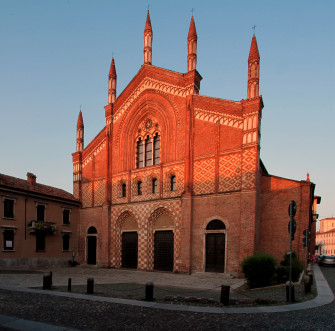
The Certosa di Pavia is one of the most extraordinary monumental complexes in Italy and represents an essential stop for anyone wishing to explore the historical, artistic, and spiritual heritage of Lombardy. Located just a few kilometers from the historic center of Pavia, surrounded by the rural landscape of the Pavese plain, the Certosa combines art, architecture, and silence in a unique visiting experience.
Visible, accessible, and profoundly evocative, the Certosa di Pavia is not a hidden treasure but a living place, capable of telling over six centuries of history and captivating visitors from all over the world.
The History of the Certosa di Pavia
Construction of the Certosa di Pavia began in 1396 at the behest of Gian Galeazzo Visconti, Duke of Milan, who envisioned it as a dynastic mausoleum for his family. The ambitious and monumental project took more than two centuries to complete, spanning the rule of the Visconti and Sforza families.
As often happens with major historical construction sites, the Certosa went through complex phases influenced by the political and religious events of the time. This long gestation left a remarkable architectural complex where Gothic, Renaissance, and Baroque elements coexist harmoniously, making the Certosa di Pavia a true testament to the passage of centuries.
Art and Architecture of the Certosa di Pavia
The Monumental Façade
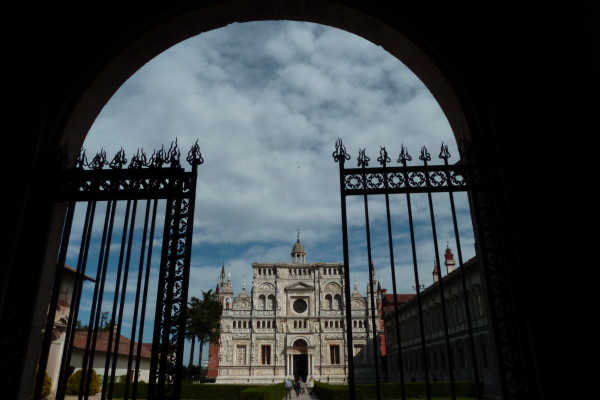
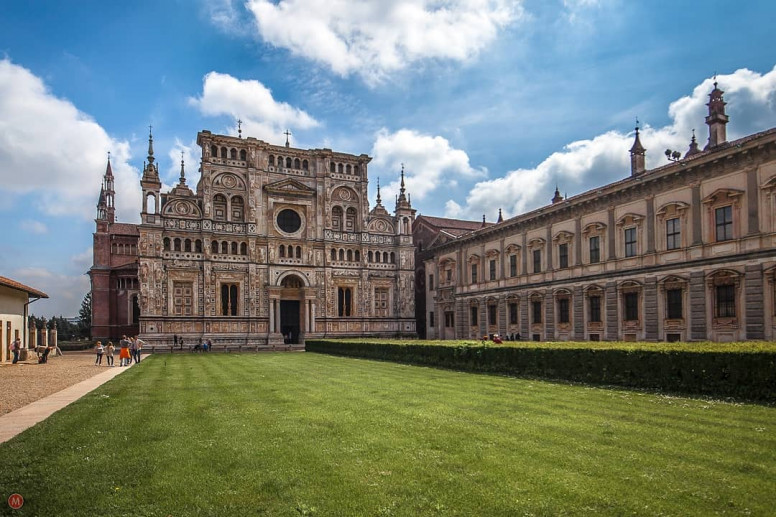
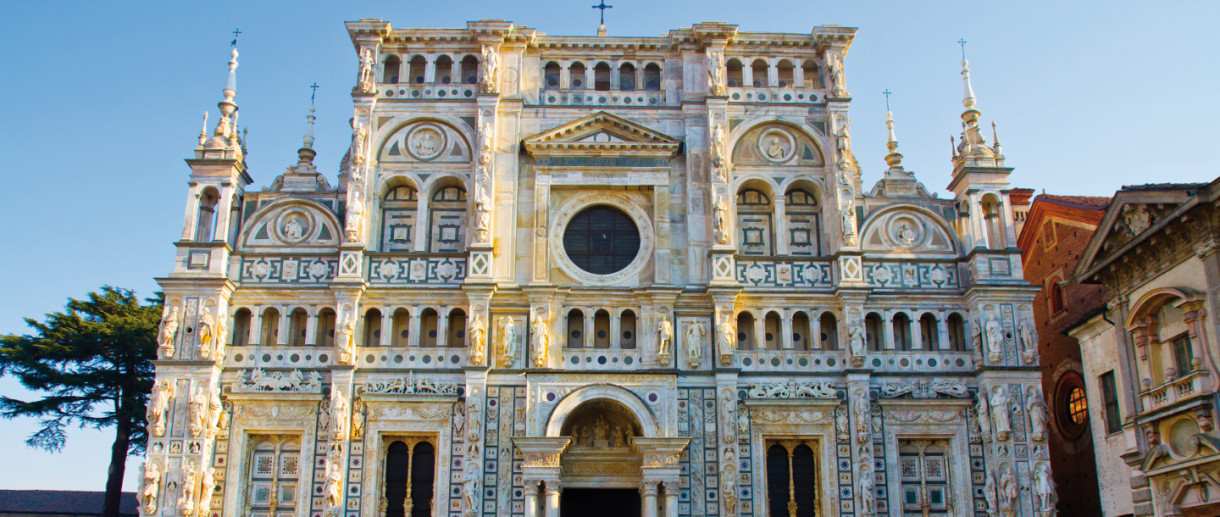
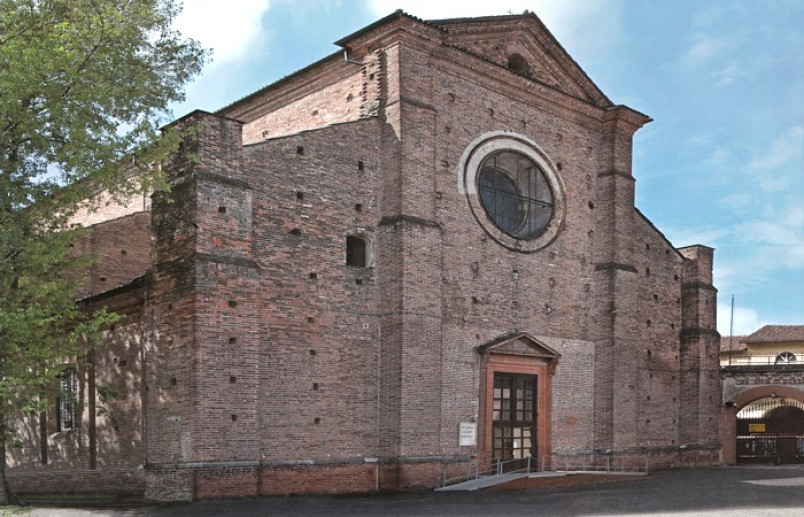
The church’s façade is one of the richest and most spectacular examples of Lombard Renaissance sculpture. Crafted from Carrara marble, serpentine, and porphyry, it is adorned with a dense array of statues, bas-reliefs, and medallions depicting episodes from sacred and secular history.
Among the artists involved in creating the façade were the brothers Cristoforo and Antonio Mantegazza, Giovanni Antonio Amadeo, and Benedetto Briosco, alongside painters such as Ambrogio da Fossano, known as il Bergognone. Together, they produced a true “stone page” of Italian art history.
The Church and Interiors
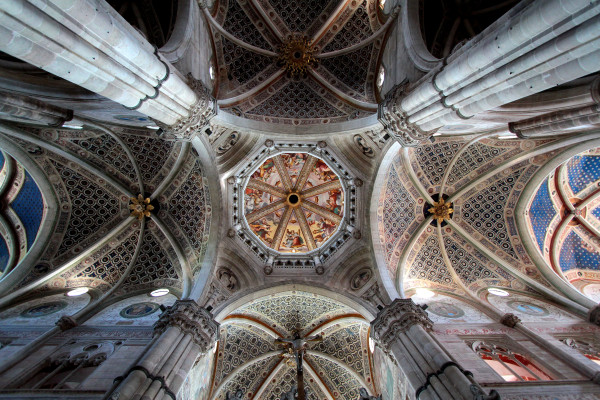
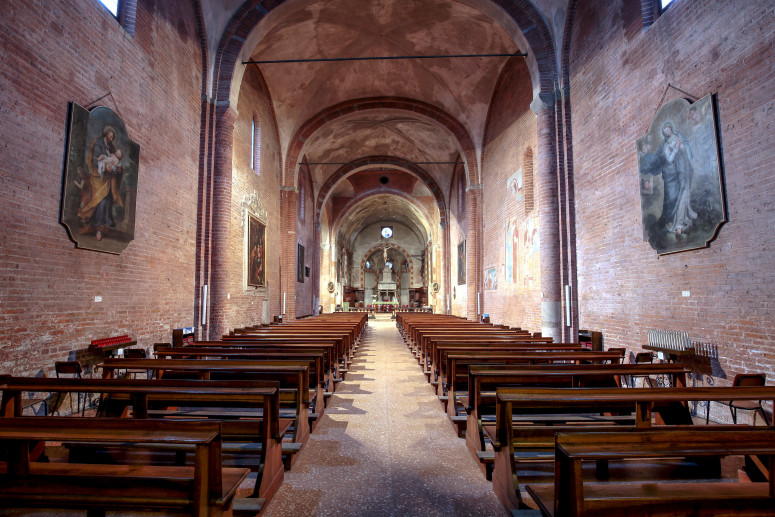
The church’s interior, with three naves, impresses with its solemnity and decorative richness. The high altar, made of marble and semi-precious stones, dominates the sacred space, while the ribbed vaults feature starry sky decorations executed at the end of the 15th century.
The fourteen side chapels house frescoes and works by leading artists such as Perugino and Guercino. A monumental 17th-century bronze and wrought-iron screen separates the naves from the transept, leading to the funerary monument of Gian Galeazzo Visconti, the symbolic heart of the Certosa.
The Cloisters and the Ducal Palace
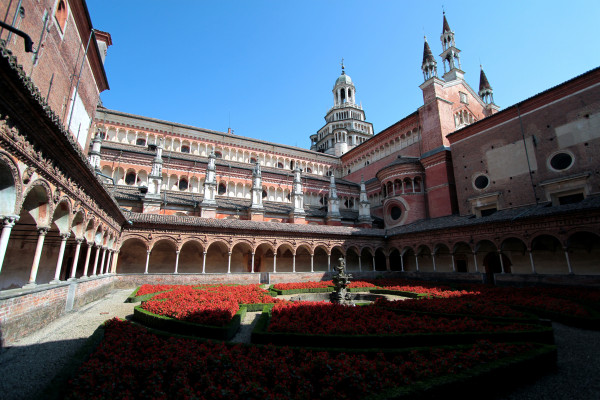
Next to the church lie the Small Cloister and the Large Cloister, spaces of silence and harmony, characterized by terracotta decorations typical of Lombard architecture.
On the side of the entrance courtyard stands the Ducal Palace, built in 1625 based on a design by Francesco Maria Richini. Today it houses the Certosa di Pavia Museum, with a plaster cast collection on the ground floor and a collection of Renaissance Lombard sculptures and paintings on the upper floor.
How to Reach the Certosa di Pavia
-
By car: former State Road 35 Milan-Pavia
-
By bus: connections from Pavia (via Trieste bus station) and Milan (MM Famagosta)
-
By train: Milan-Pavia line, Certosa di Pavia station
-
By bicycle: cycle path along the Naviglio Pavese
What to See in Pavia After Visiting the Certosa
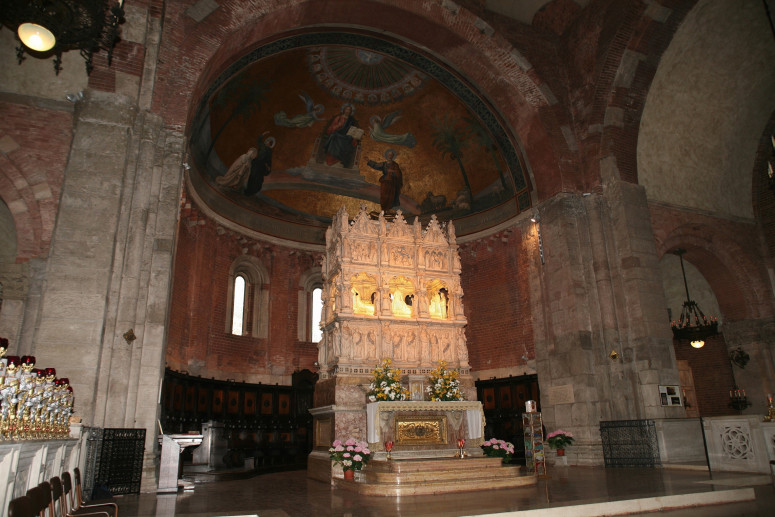
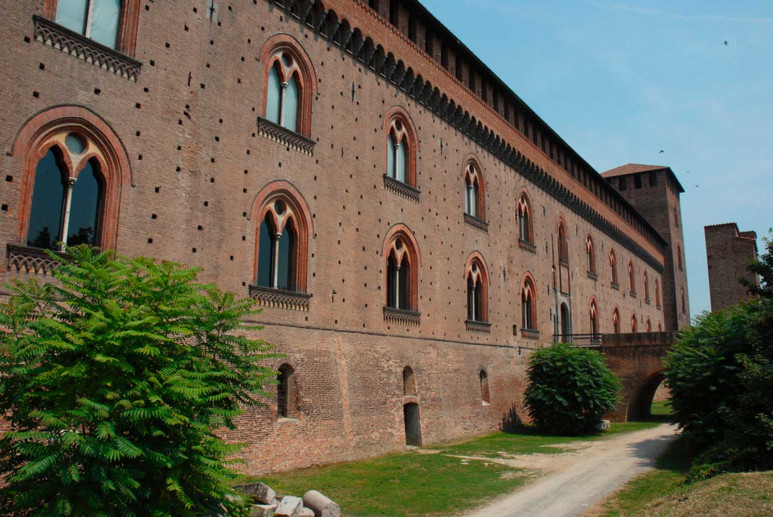
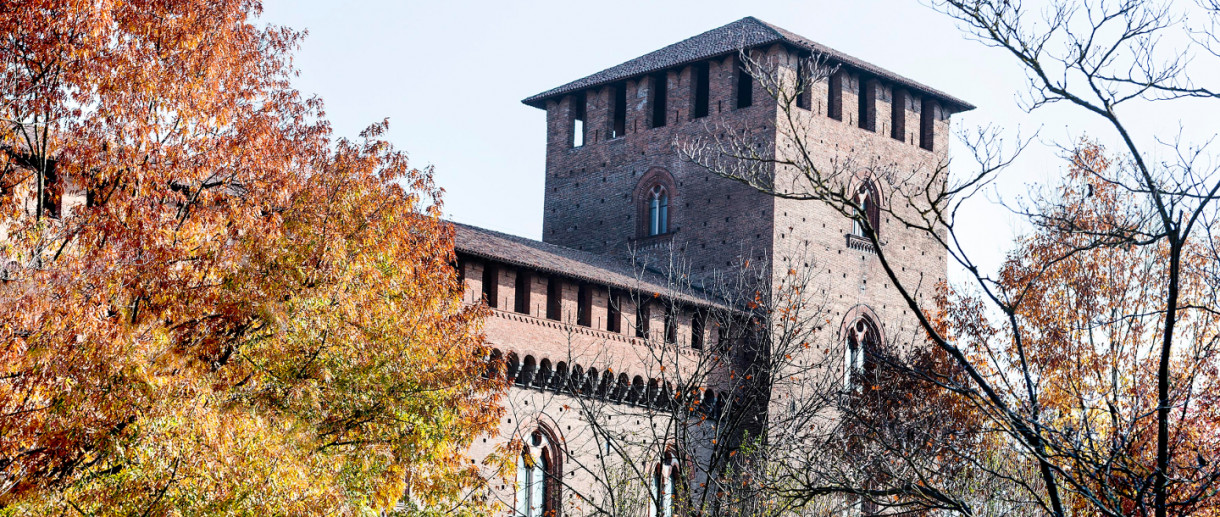
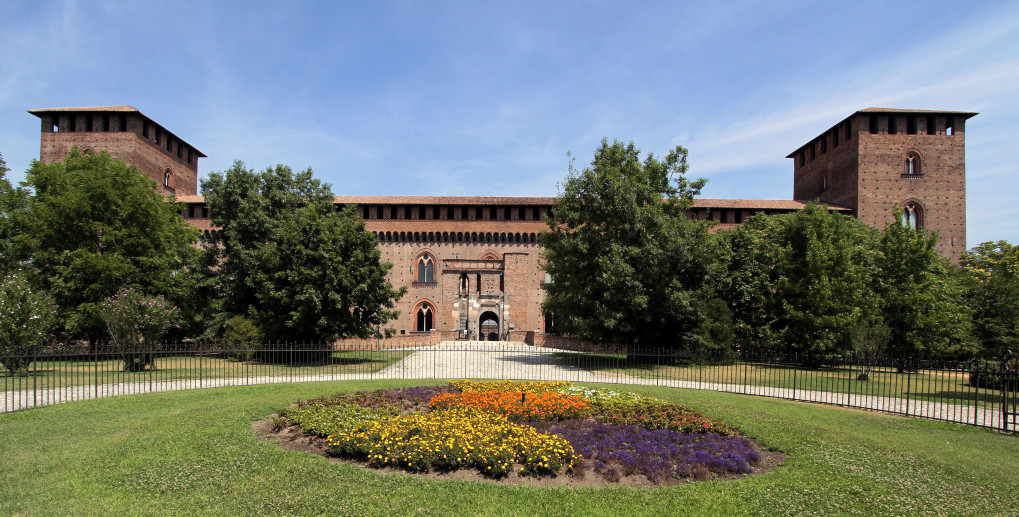
A visit to the Certosa di Pavia can be complemented by an itinerary through the historic center of Pavia. Key monuments not to be missed include the Visconti Castle, home to the Civic Museums; the Renaissance Cathedral, with one of the largest domes in Italy; the Basilica of San Pietro in Ciel d’Oro, which houses the remains of Saint Augustine; and the Romanesque Basilica of San Michele Maggiore, where Frederick Barbarossa was crowned in 1155.
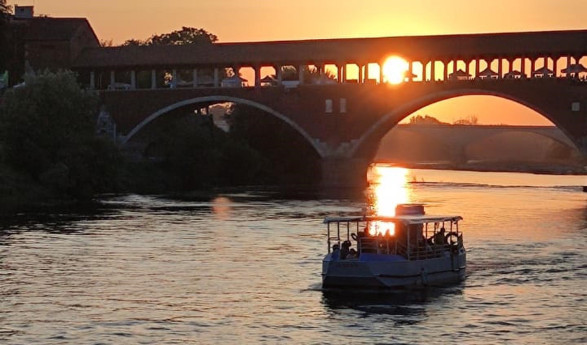
A symbol of the city is the Ponte Coperto over the Ticino River, which connects the historic center to the picturesque Borgo Ticino, perfect for a scenic walk.
The University of Pavia and Its Historic Colleges
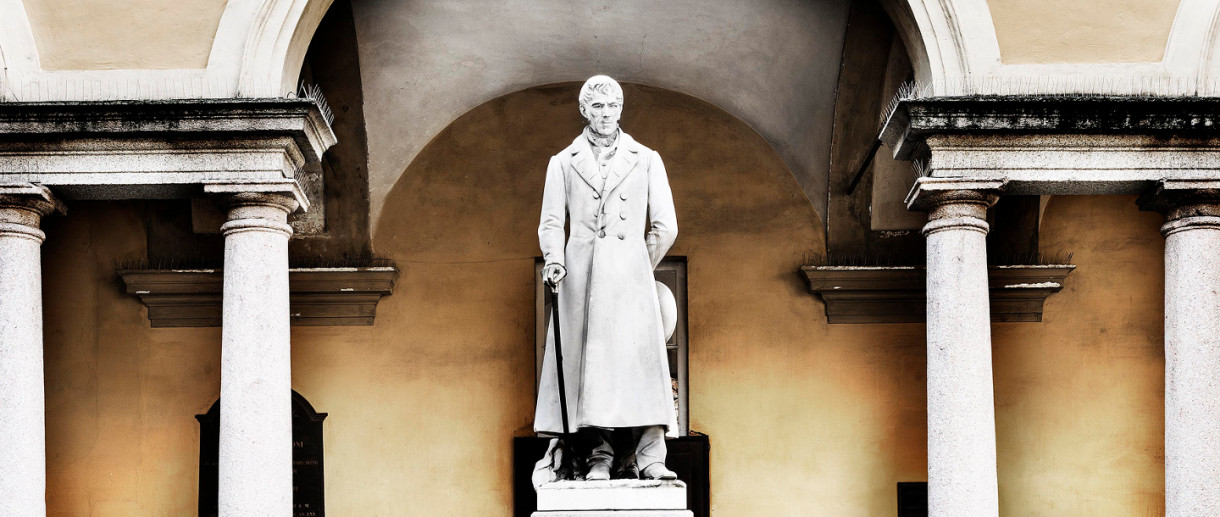
Founded in 1361, the University of Pavia is one of the oldest in Europe and represents a cornerstone of the city’s cultural identity. Over the centuries, it has been attended by illustrious scholars and has been the site of significant scientific discoveries. Today, it remains a center of excellence recognized internationally.
One of the most distinctive features of the University of Pavia is its system of historic university colleges, unique in Italy. Among them are the Collegio Borromeo, founded in the 16th century and overlooking the Ticino, and the Collegio Ghislieri, an institution combining humanistic tradition with scientific research.
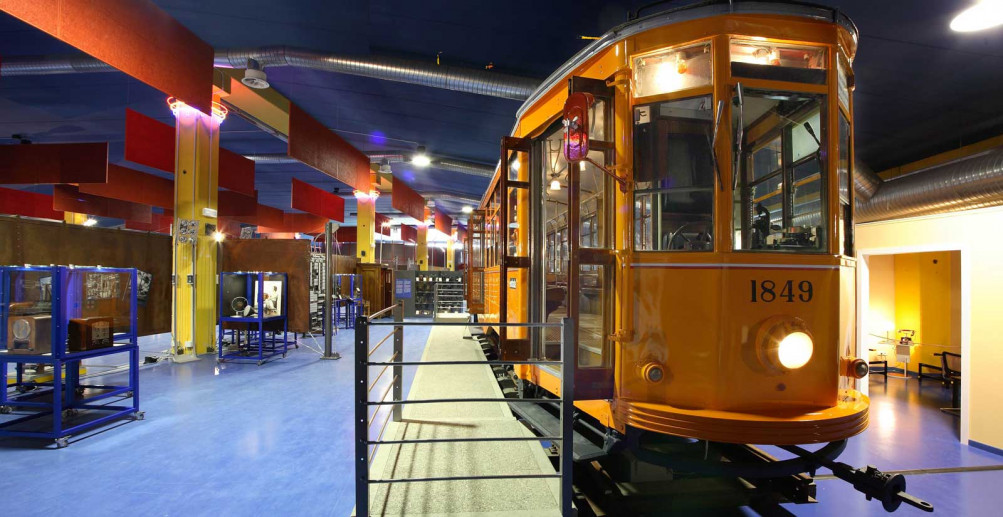
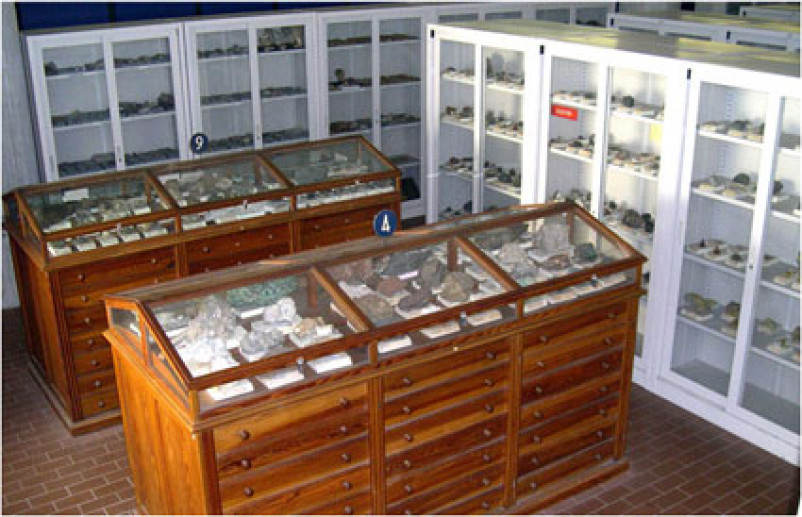
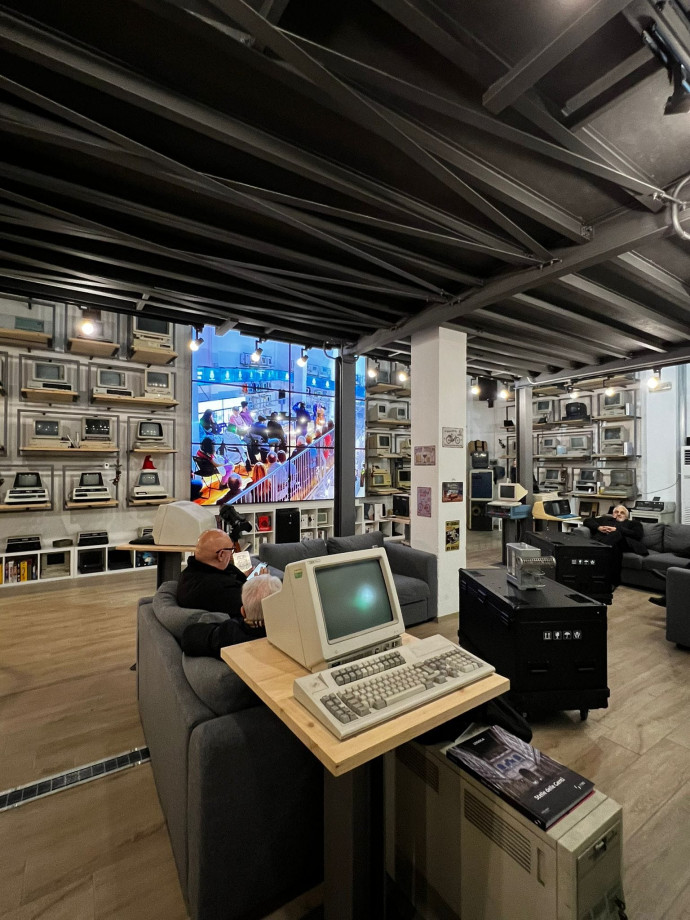
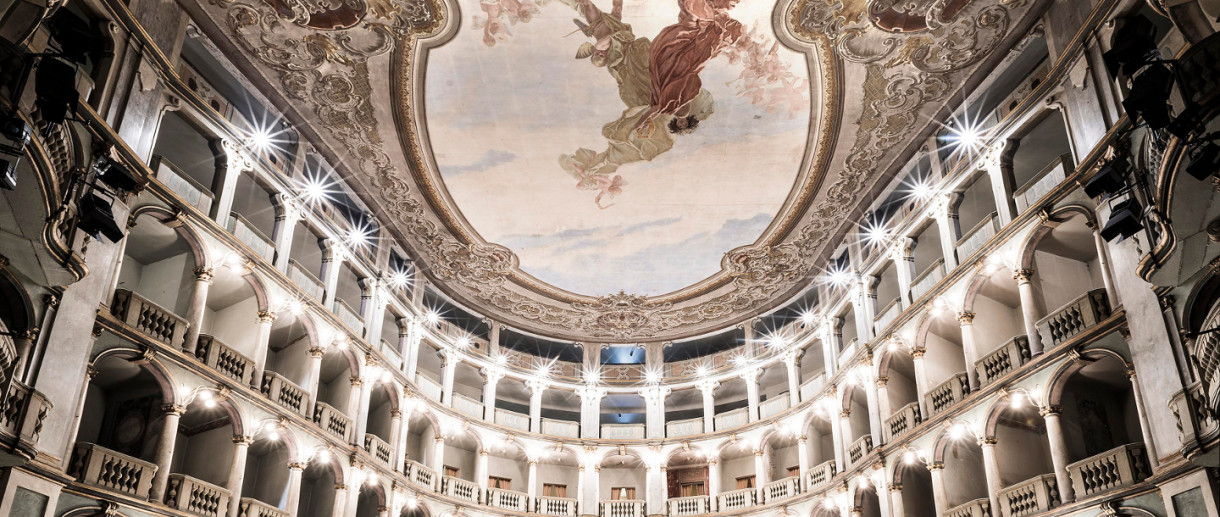
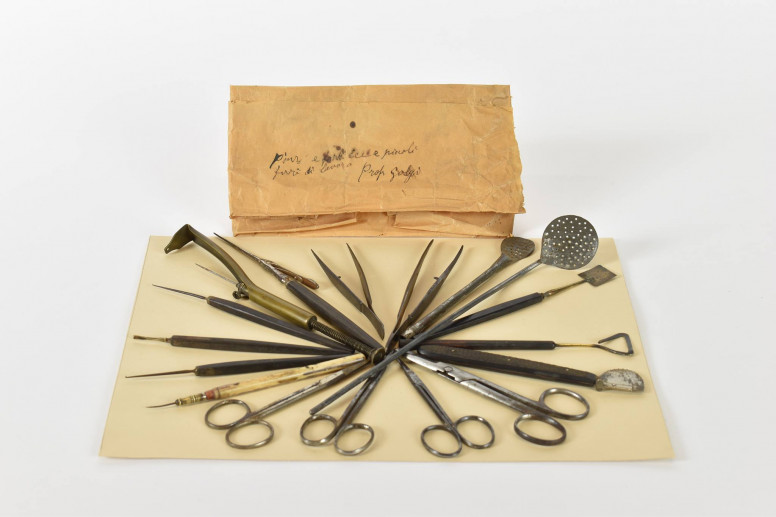
Also of great interest to visitors is the Museum for the History of the University of Pavia, which preserves scientific instruments, collections, and records related to figures such as Alessandro Volta, Camillo Golgi, and Gerolamo Cardano. The visit allows one to understand the central role of the university in the cultural and scientific development of the city.
Strolling through the university courtyards, especially in the Strada Nuova complex, means immersing oneself in a timeless atmosphere where historic architecture and academic life intertwine daily.
What to see around Pavia
The area surrounding Pavia offers a wide range of cultural, historical and scenic attractions, ideal for extending a stay beyond the visit to the Certosa of Pavia.
The Pavese area and its castles
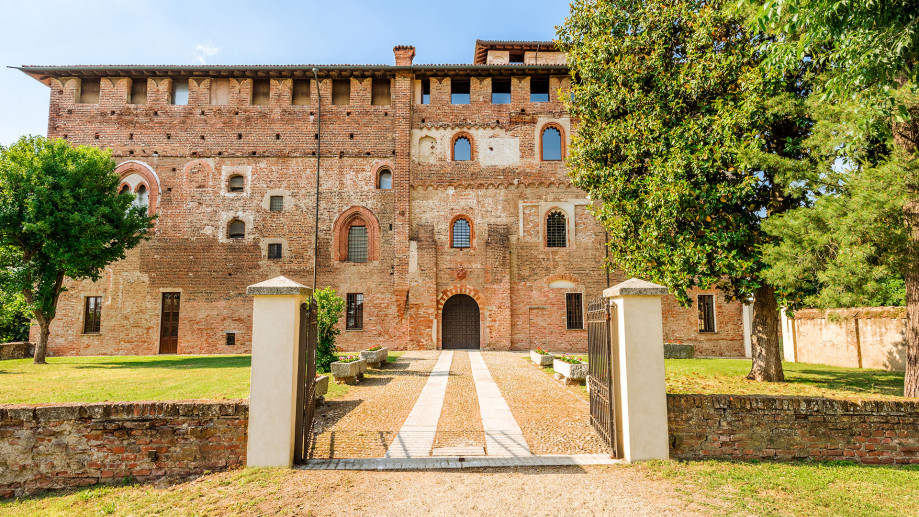
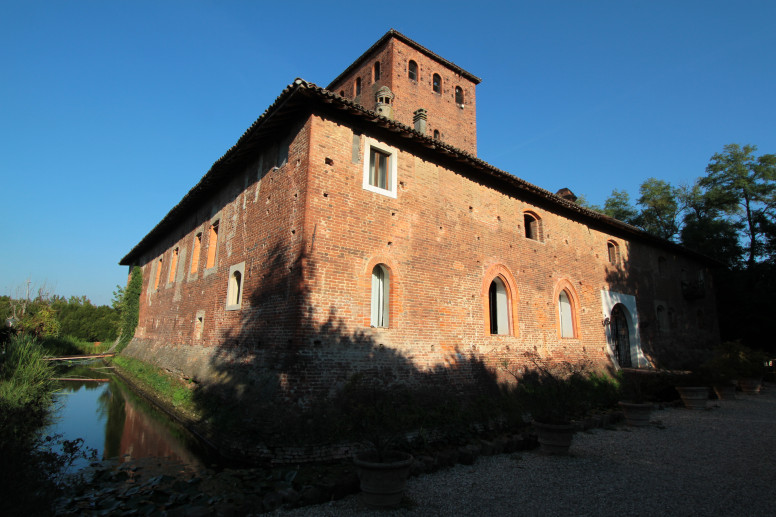
The Pavese region preserves important historical landmarks connected to the noble families who ruled these lands for centuries. One of the most significant sites is the Belgioioso Castle, an elegant residence of Visconti and Sforza origin, today renowned for hosting exhibitions, cultural events and major national shows. Surrounded by a large park, it is one of the finest examples of Renaissance architecture in the Province of Pavia.
Another remarkable destination is the Chignolo Po Castle, often referred to as the “Versailles of Lombardy” due to its imposing structure and richly decorated interiors. It represents one of the most impressive 18th-century noble residences in the area.
Lomellina
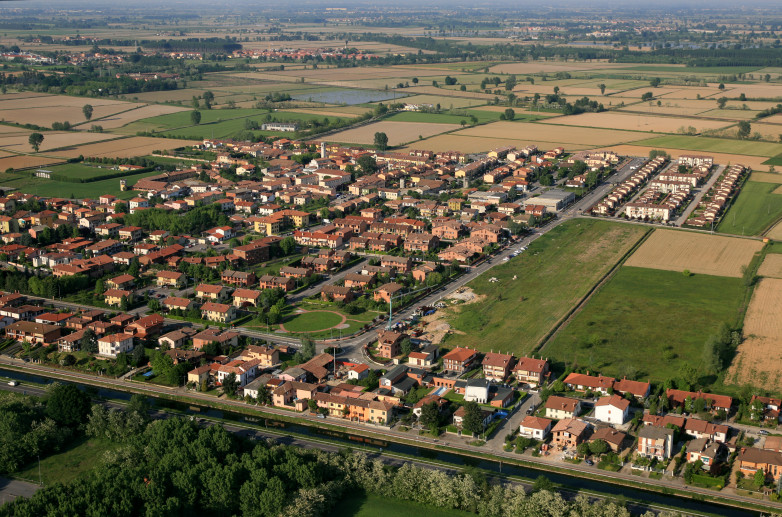
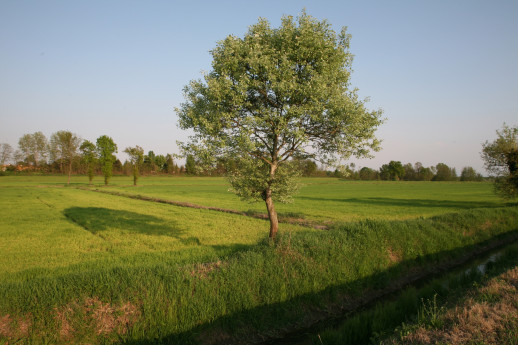
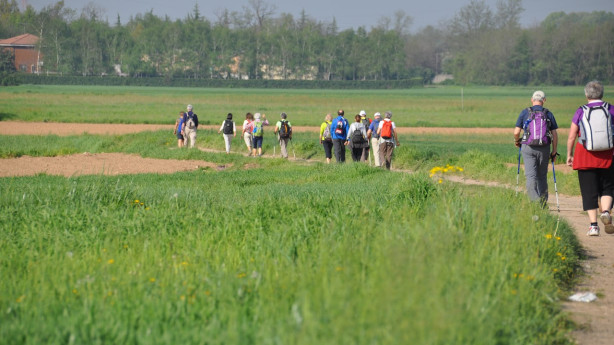
To the west of Pavia lies Lomellina, a flat and evocative landscape characterised by rice fields, canals and historic villages. This area offers an authentic insight into the rural identity of the province, where agricultural traditions and history are deeply intertwined.
Among the main attractions is Vigevano, famous for its extraordinary Piazza Ducale and the Sforza Castle, one of the largest fortified complexes in Europe. Smaller villages scattered across the countryside preserve local traditions, rural architecture and a cuisine strongly linked to rice cultivation.
Oltrepò Pavese
South of Pavia stretches the Oltrepò Pavese, a charming hilly area known for its vineyards, medieval villages and hilltop castles overlooking the landscape. It is one of the most appreciated destinations for slow tourism, wine tourism and outdoor activities.
Towns such as Zavattarello, with its panoramic castle, Varzi, listed among The Most Beautiful Villages in Italy, and Fortunago are ideal stops for day trips. The Oltrepò Pavese is also renowned for its wines and traditional food products, offering visitors an authentic taste of local culture.
Exploring the surroundings of Pavia means discovering a rich combination of landscapes, castles, villages and hills that perfectly complement the cultural experience of the Certosa of Pavia.
Opening hours
Opening Hours of the Certosa of Pavia Monumental Complex
The Monumental Complex and the Museum of the Certosa of Pavia are open to the public Tuesday through Sunday, with continuous opening hours from 10:00 to 16:00 (last admission 30 minutes before closing).
Starting Sunday, March 29, summer opening hours will be in effect, with opening from 10:00 AM to 6:00 PM (last entry at 5:30 PM)
The site is closed on Mondays. Direzione regionale Musei Lombardia
-
First Sunday of the month: free entry to all state museums in Italy. Direzione regionale Musei Lombardia
Admission Ticket
Access is no longer based on a donation to the monastic community; a mandatory admission ticket (€10, with possible concessions) must be purchased online via Museitaliani (app or browser) or on site.
Attachments
Scaica la brochureOther links
Facebook