- Active & Green
Costa del Vento a Montalto Pavese
Il belvedere sulle colline dell'Oltrepò

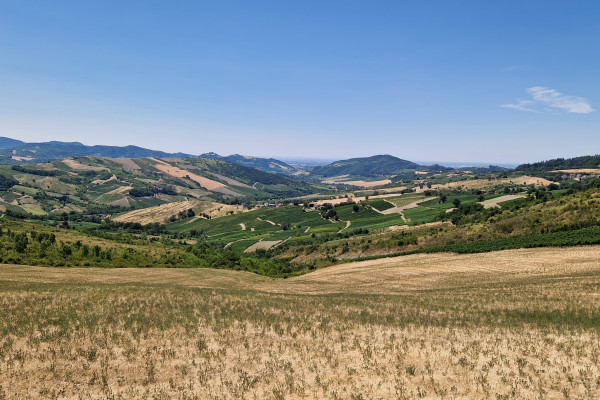
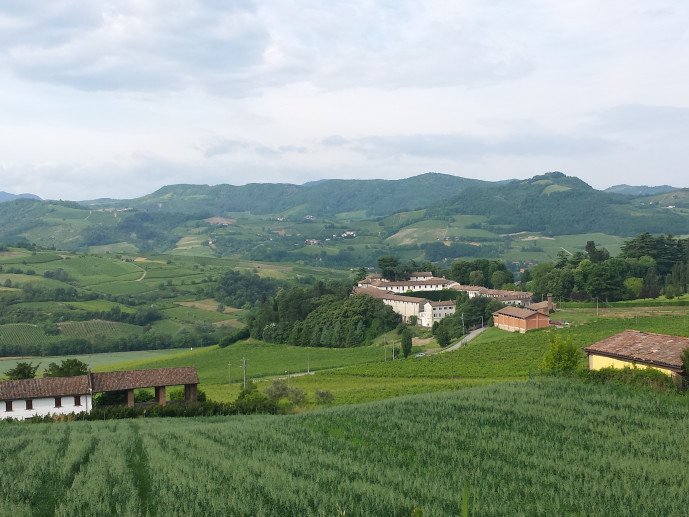
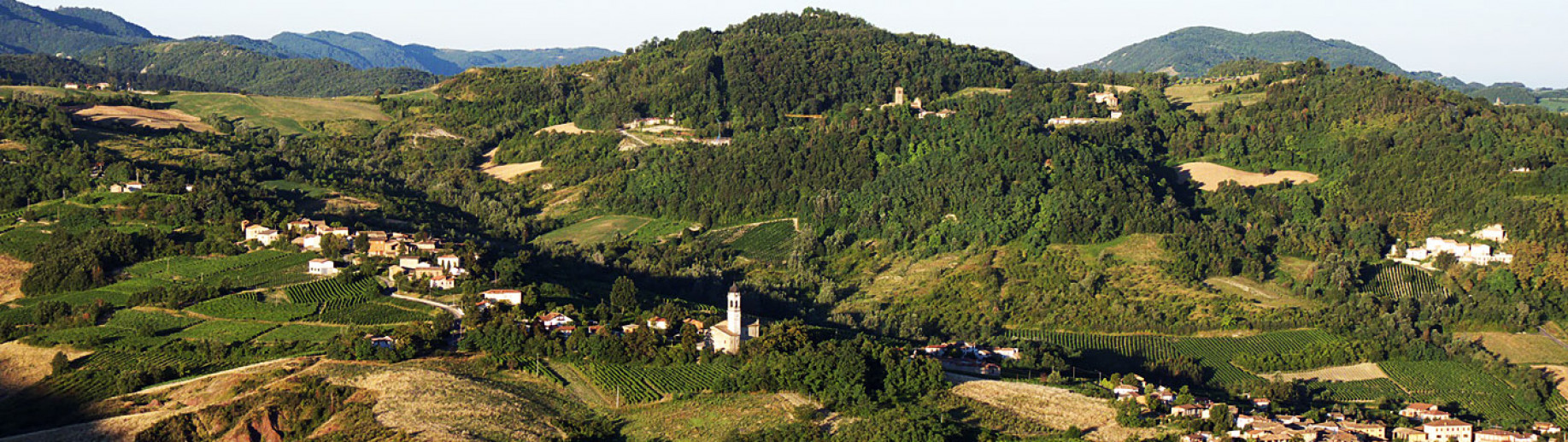
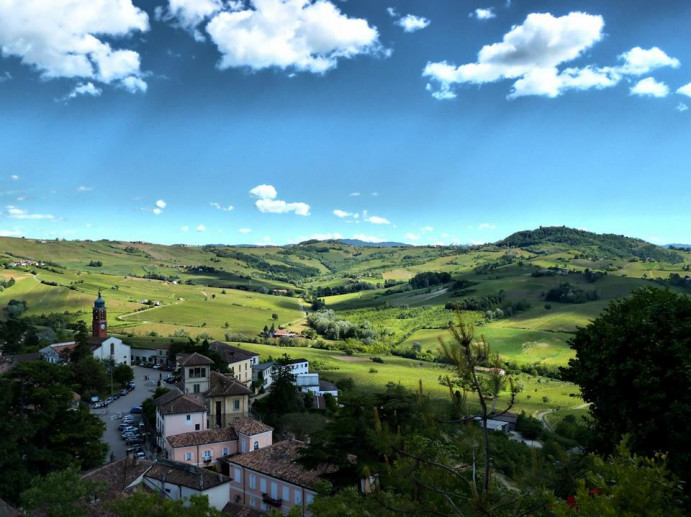
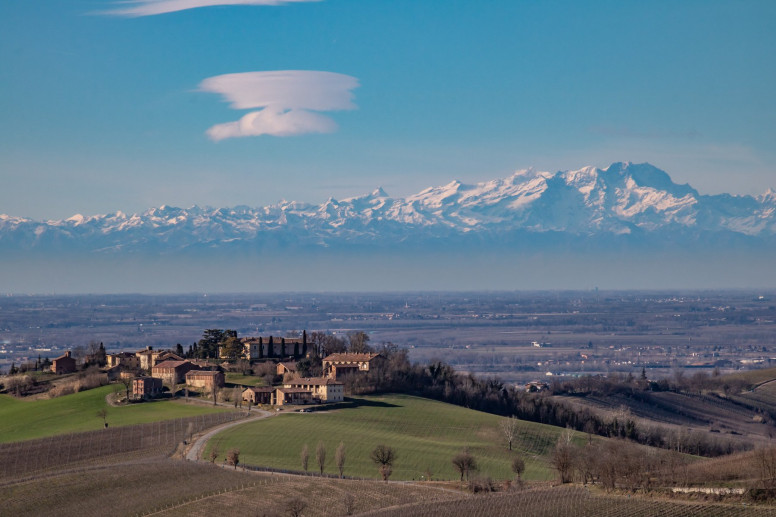
High above Montalto Pavese, between the Scuropasso Valley and the Ghiaie di Montalto Valley, lies Costa del Vento (literally “Wind Ridge”): a scenic crest in the Oltrepò Pavese hills exposed almost constantly to the wind, where the small votive chapel of the Madonna del Vento stands. It is one of the most beloved spots for anyone seeking a 360-degree view over the Apennines, the Alps and the Po Valley, and at the same time a starting point for walking, cycling and motorcycle excursions, as well as a historic resting place of devotion for travellers and farmers alike.
Where to Find Costa del Vento
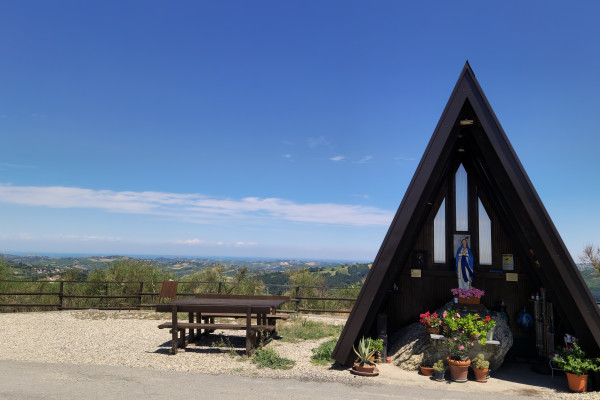
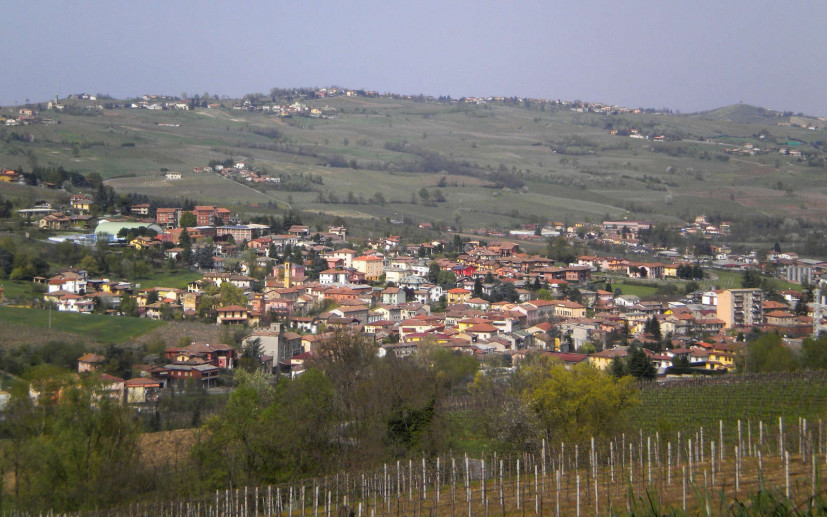
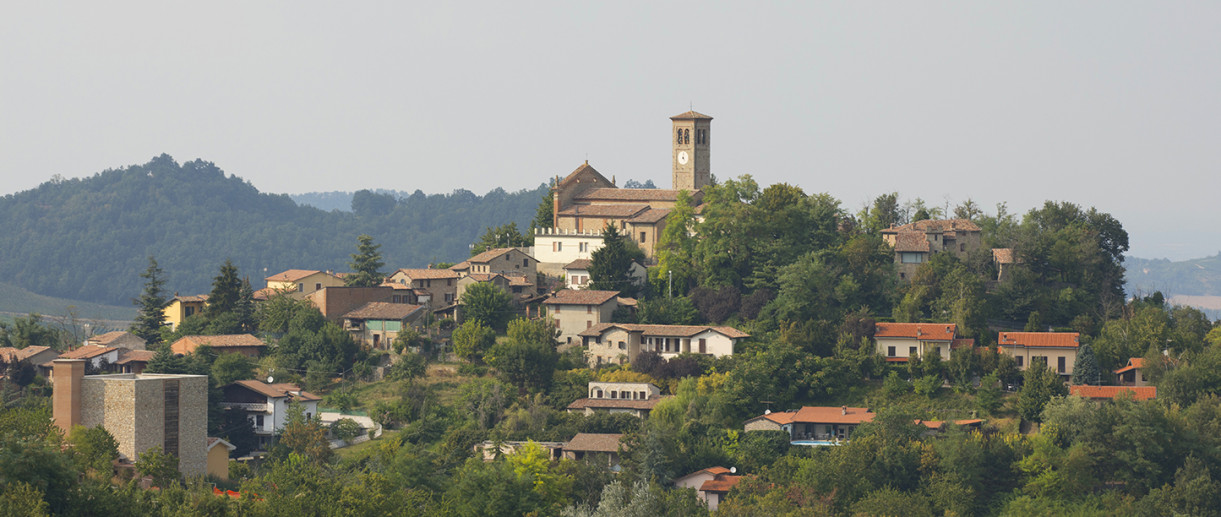
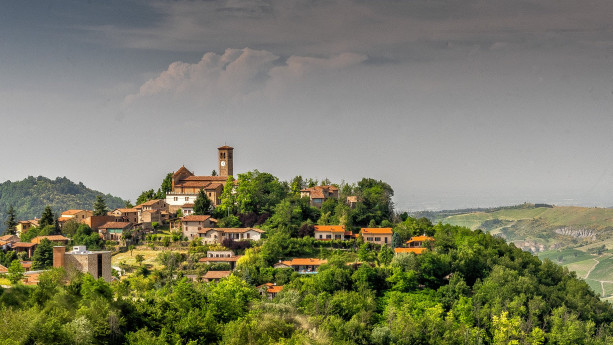
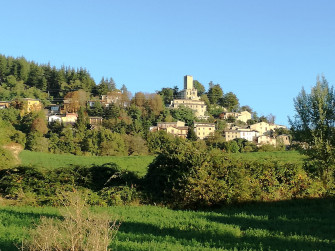
Costa del Vento is reached from Montalto Pavese, the village nicknamed the “queen of Oltrepò” for its commanding position over the hills, sitting at around 380 metres of altitude in the town centre. From the main square, a road called Strada del Belvedere climbs for about a kilometre and a half south-east, up to the ridge that divides the two valleys. The Madonna del Vento chapel stands at an altitude of around 490 metres above sea level, in a spot where the bare, arid terrain opens onto an unobstructed view of the surrounding hills.
The Madonna del Vento Chapel
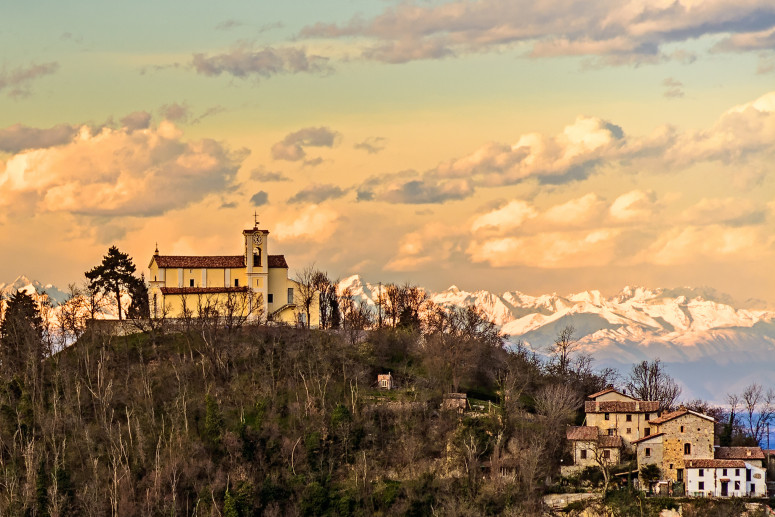
Rather than a masonry chapel in the strict sense, this is a small votive structure sheltering a statue of the Virgin Mary, venerated as protector of travellers and of the fields. Its origins are woven into the oral tradition of the farming communities of Oltrepò, who over the centuries dotted the Apennine ridges with wayside shrines and small votive chapels: places of rest, prayer and gratitude linked to graces received or to events passed down from generation to generation. Further along the ridge, a little higher up, stands a statue of Christ the Redeemer, a further spiritual landmark and an excellent vantage point over the valley.
A Windswept Ridge: Paragliding, Kite-Flying and Falconry
The name Costa del Vento is no accident: here the wind blows with a steadiness rarely found elsewhere in Oltrepò, fed by the updrafts that form along the ridge. It is little surprise, then, that this spot has become a reference point for free flight: Montalto Pavese is home to the paragliding school “Gioco del Volo”, and it is not unusual to see the sky dotted with paraglider wings riding the slope's updrafts above the valley. The same wind makes Costa del Vento an ideal spot for flying kites, from the simplest models to multi-line acrobatic ones, while drones are best avoided given the gusts that often blow from every direction.
The updrafts also attract birds of prey, which find an ideal habitat here to glide effortlessly, hunt thanks to the wide view and nest in the nearby woods: a good pair of binoculars is worth packing to watch them up close. It is precisely on these heights that Montalto's professional falconer, Giuseppe Crea, often flies his birds of prey, offering, together with his wife Cinzia Rita Villanova, the “Falconer for a Day” experience, designed for adults and children wanting to get closer to the world of falconry.
The Butterfly Trail and the Ridge's Biodiversity
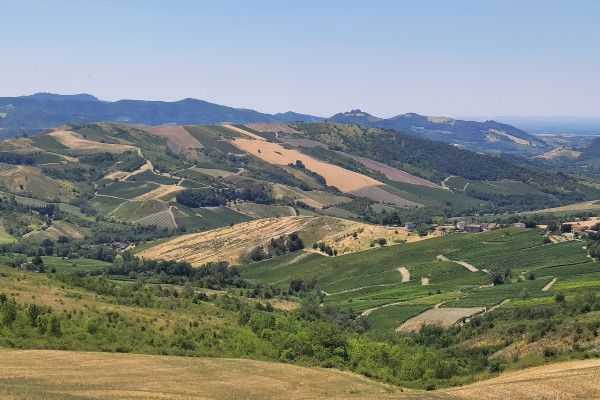
Costa del Vento is also the starting point of the Butterfly Trail (Sentiero delle Farfalle), a route of around three kilometres that in spring and summer fills with butterflies: Montalto Pavese is in fact the only Italian site chosen by the European Union for a butterfly-monitoring project, and boasts more than 150 different species, an absolute record for variety in Italy. Walking along the ridge, among the rows of vines and cultivated fields, it is common to come across bees and other pollinating insects as well, in a landscape that alternates bare, eroded badland areas with vine-covered slopes.
Giant Bench No. 161 and Montalto Pavese Castle
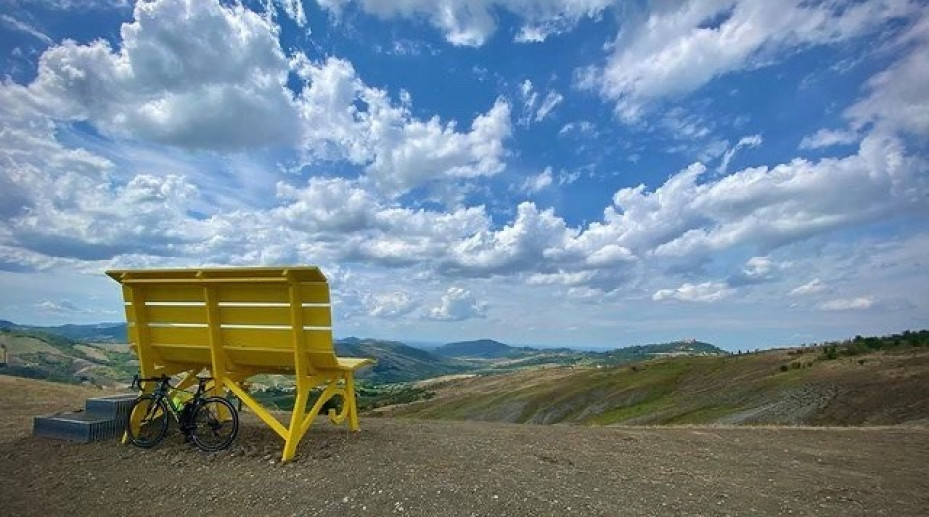
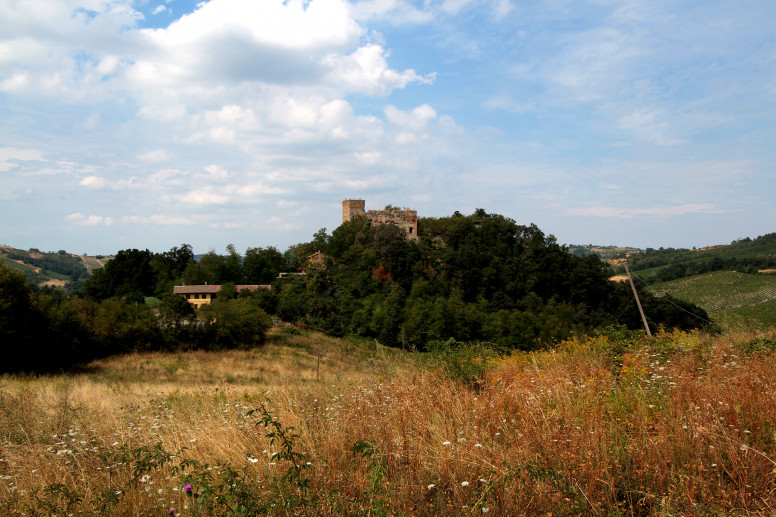
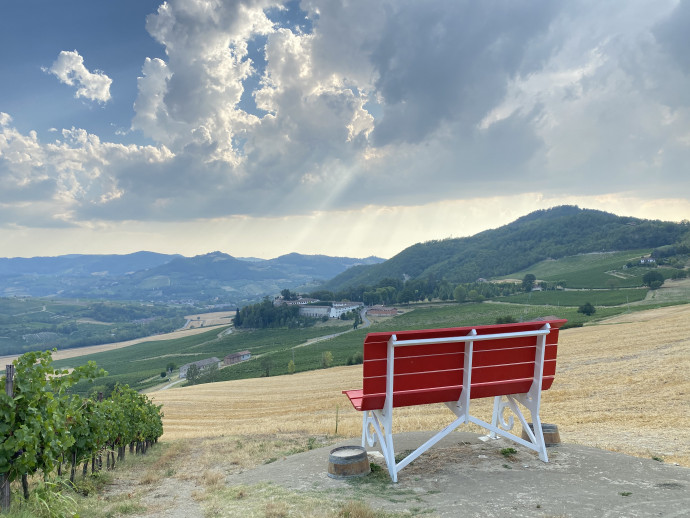
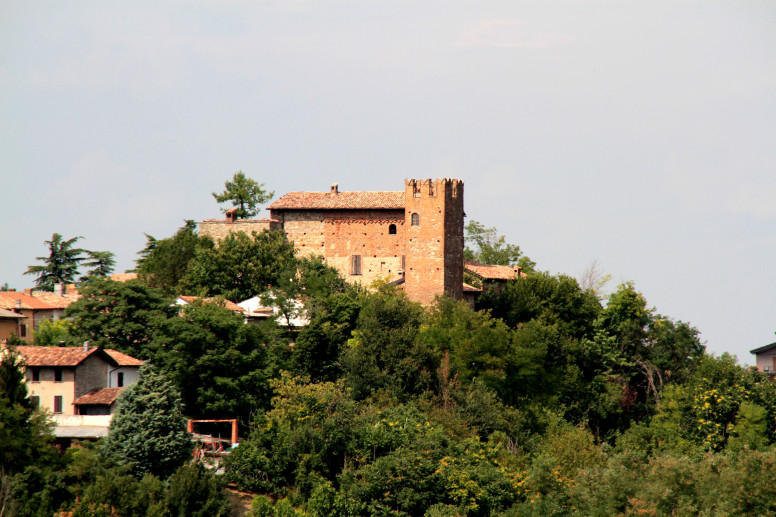
For those looking for a scenic resting spot, just beyond the Madonna del Vento chapel stands Giant Bench No. 161, a large yellow bench that is part of the network found throughout Oltrepò Pavese and that offers one of the most photographed views in the area. Not far away, visible from much of Lombardy, rises Montalto Pavese Castle, a medieval building dating back to the sixteenth century and one of the most imposing in Oltrepò, today perfectly preserved and a symbol of the village.
The Riesling of Montalto Pavese, a Land of White Wines
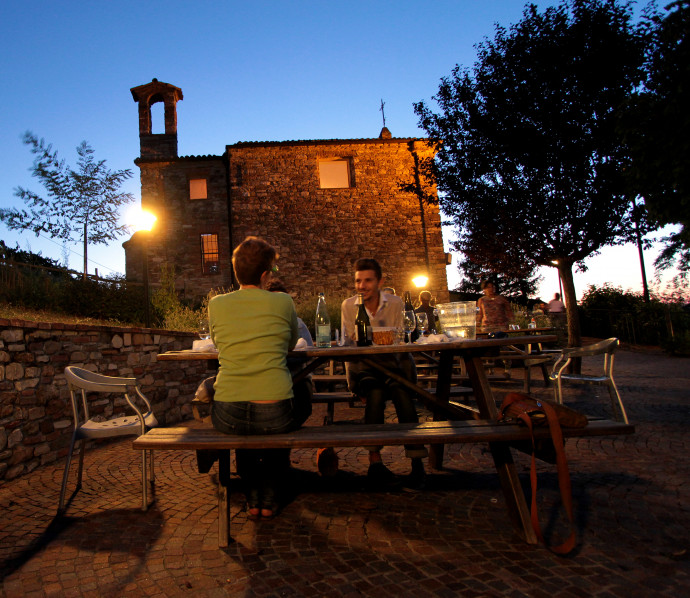
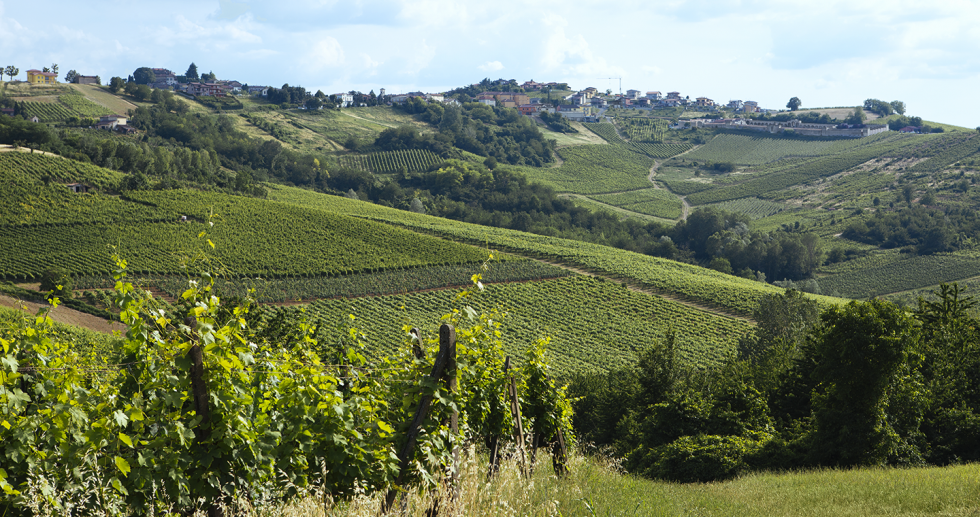
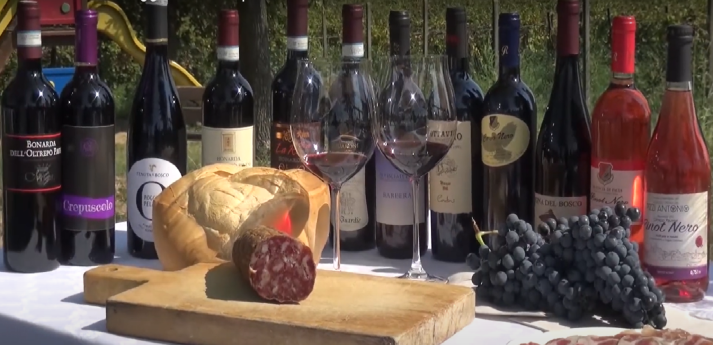
The hills framing Costa del Vento are more than just a scenic balcony: they are also one of the most highly regarded areas in Oltrepò Pavese for growing Riesling. Together with Oliva Gessi, Calvignano and Corvino San Quirico, Montalto Pavese is considered white-wine country par excellence, thanks to clay soils with limestone and gypsum outcrops particularly suited to this grape variety. The winemaking tradition dates back to the eighteenth century, when Oltrepò found itself caught between French-Piedmontese winemaking culture and the Austrian one introduced under the Lombardo-Veneto Kingdom: it was this latter influence that brought Rhine Riesling to the hills of Montalto, where it found ideal soil and microclimate to develop structure and acidity. Alongside Rhine Riesling, of German origin, the area also grows Riesling Italico, a native variety that is simpler and more fragrant, often vinified dry or lightly sparkling for everyday drinking. A walk to Costa del Vento pairs well with a final stop at one of the village's wineries, to taste a glass of local Riesling as the sun sets over the hills of Oltrepò.
Getting There and Visiting Tips
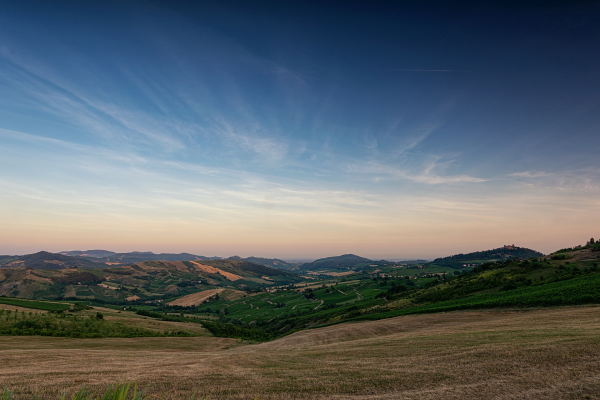
Montalto Pavese is easily reached from both Pavia and Milan, making Costa del Vento an ideal destination for a half-day trip out of town. Visitors arriving by car can leave their vehicle near the chapel and continue on foot along the short stretch leading to the ridge and the giant bench. The route is suitable for families too, while those looking for a longer excursion can continue towards the Butterfly Trail or join the hiking routes connecting Montalto Pavese to the villages of Montù and Pometo, with views reaching as far as Monte Lesima and the Alps. The spot is also popular with motorcyclists, cyclists and runners, who often stop here for a break before continuing along Oltrepò's nature trails. Comfortable clothing and walking shoes are recommended, along with a windproof jacket on breezy days; for photography, sunset hours offer the most striking colours across the whole ridge.