- Villages
Sant'Alessio con Vialone
Castle, nature and the rice that conquered the world


Among the mists and cultivated fields of the Po Valley near Pavia, the small municipality of Sant'Alessio con Vialone safeguards an extraordinary heritage: a medieval castle with a watchtower, a nature reserve unique in Italy, and the birthplace of the prized Vialone rice — a variety born by chance at the end of the 19th century that has since become celebrated around the world.
The Castle of Sant'Alessio: Sentinel of the Pavia Plain
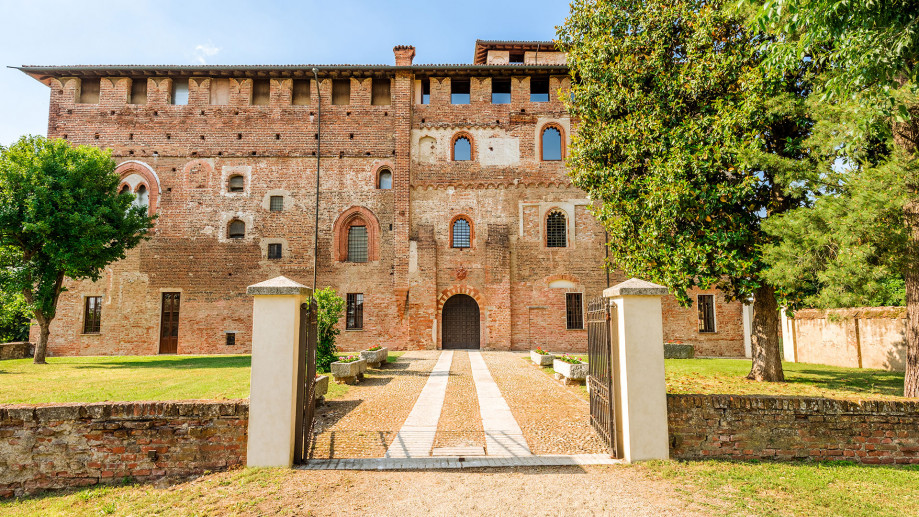
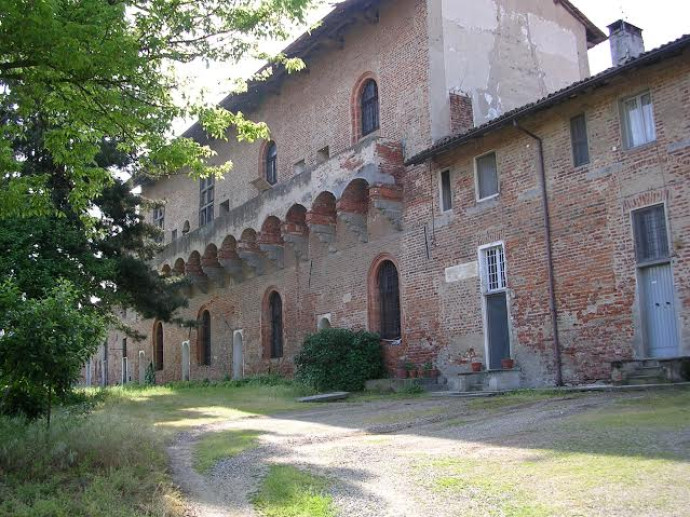
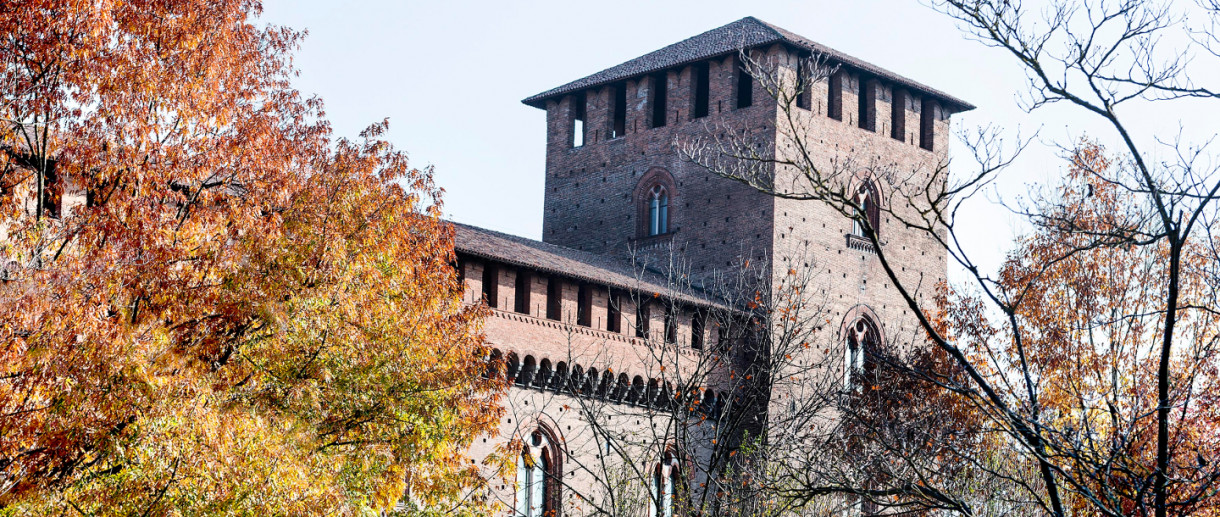
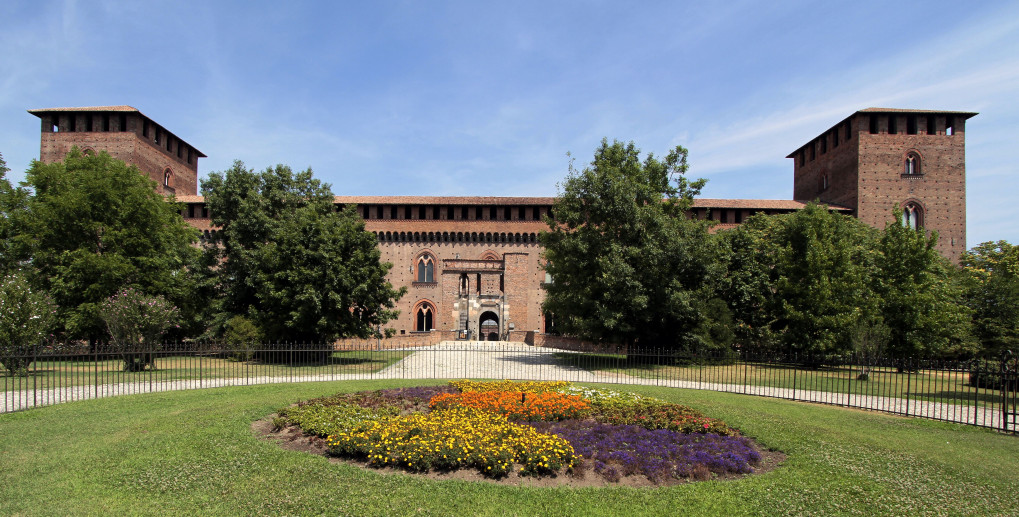
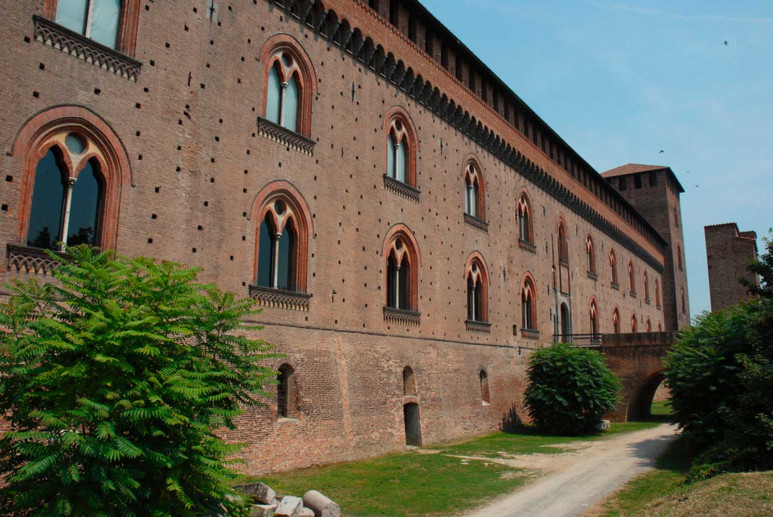
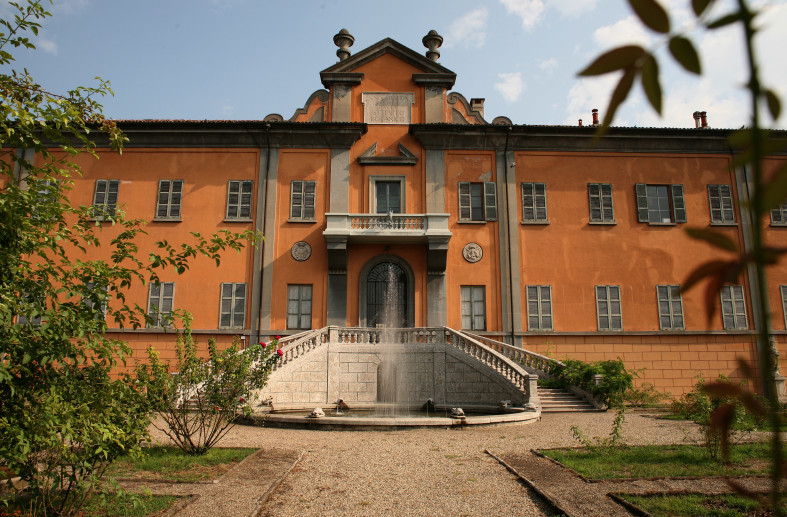
Isolated among the fields of the Lomellina, the Castle of Sant'Alessio con Vialone rises with quiet grandeur from the surrounding agricultural landscape. Its square floor plan with concentric square courtyards represents a rare and well-preserved example of medieval military architecture from the Po Valley.
The tall tower crowned by a loggia reveals the clearly military watchtower function the castle fulfilled in centuries past: from here, guards could survey the entire surrounding plain, ensuring the security of the territory and its communication routes. The concentric courtyard architecture — a sophisticated defensive solution — was designed to slow any enemy assault, making the structure virtually impregnable.
Today the castle stands as one of the unmissable stops for those exploring the slow-travel routes of the province of Pavia — a place where history and nature overlap in a union of rare beauty.
The Sant'Alessio Nature Reserve: A Paradise of Biodiversity
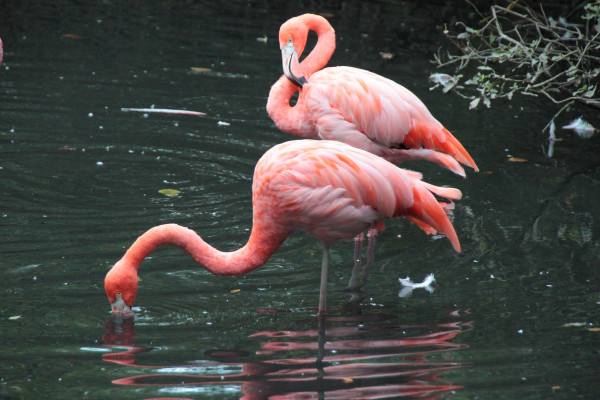
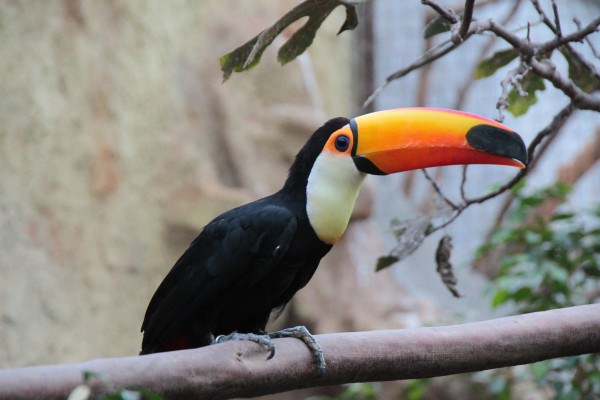
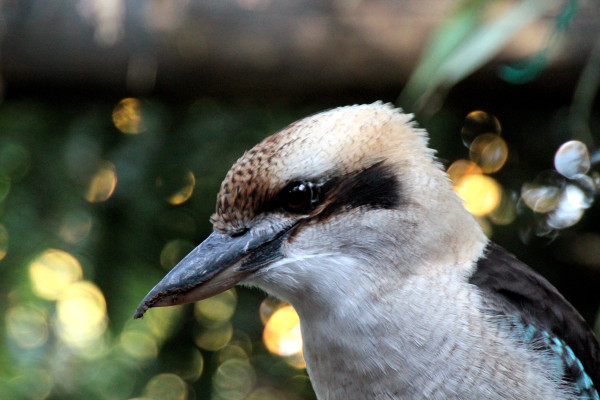
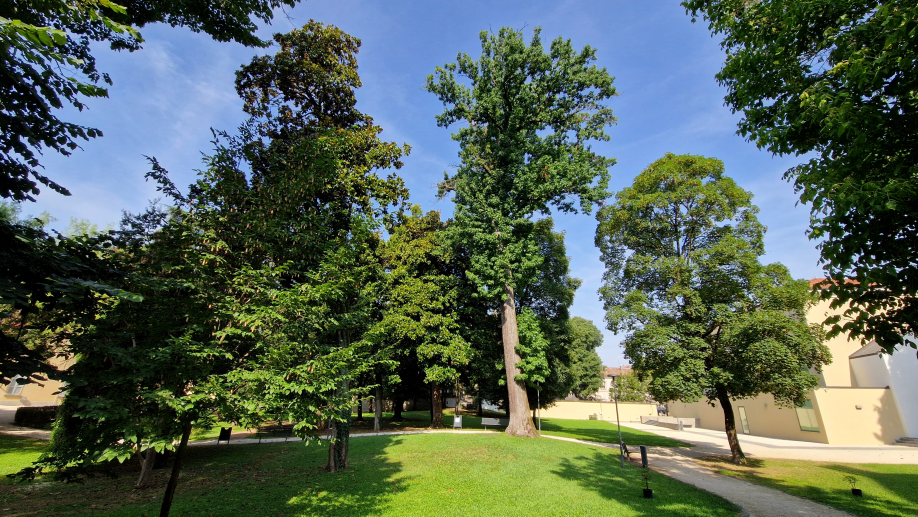
Directly accessible from the Castle of Sant'Alessio, the Sant'Alessio Nature Reserve is one of the most significant wildlife conservation sites in Lombardy. Established in 1973, the reserve was founded with a clear mission: to serve as a centre for the breeding and reintroduction into the wild of wildlife species, including non-native ones.
Over more than fifty years since its founding, the Sant'Alessio Nature Reserve has established itself as a reference point for naturalists, birdwatchers and families wishing to encounter wildlife in a protected and authentic setting. Its direct connection to the castle creates a unique visitor experience, where history and nature intertwine in perfect harmony.
Visitor tip: the combined castle + nature reserve visit makes for an ideal half-day excursion, perfect for families with children and wildlife photography enthusiasts.
Vialone: A Village with Medieval Roots
The history of Vialone — a hamlet of Sant'Alessio — reaches deep into the Middle Ages, shaped by the intertwined fortunes of noble families and vast landed estates. The nobility, including the powerful de' Giorgi family, saw land ownership as an instrument of wealth and power: ancient medieval possessiones were gradually transformed into efficient farming operations, entrusted to tenant farmers and labourers under the lords' supervision.
In 1554, Vialone was sold by the de' Giorgi family to Count Giovanni Battista Busca, beginning a long succession of noble ownership. In 1642 the estate passed into the hands of Francesco Bellisomi; the Bellisomi family remained its sole owners for nearly two centuries, until 1820, when Francesco Marozzi acquired the property.
A remarkable turn came in 1970, when the last heir of the Marozzi family bequeathed the entire property to the Holy See by testamentary bequest. Three years later, in 1973, the estate passed definitively to the Panigati family, the current owners, who have focused production on cattle and pig farming.
The Enclosed Courtyard Farmstead: Lombard Rural Architecture
The Vialone farmstead follows the classic enclosed courtyard plan typical of Lombard rural architecture: the buildings are arranged orthogonally around a central courtyard, creating an enclosed space that guaranteed protection, order and productive efficiency.
This building model, consolidated during the Middle Ages and refined over subsequent centuries, reflects the logic of Lombard agricultural society: maximum efficiency in the use of space, where stables, granaries, dwellings and courtyard form an integrated, self-sufficient system. Visiting the Vialone farmstead means immersing oneself in an authentic fragment of Po Valley rural civilisation.
Vialone Rice: A Fortunate Discovery That Changed Italian Cuisine
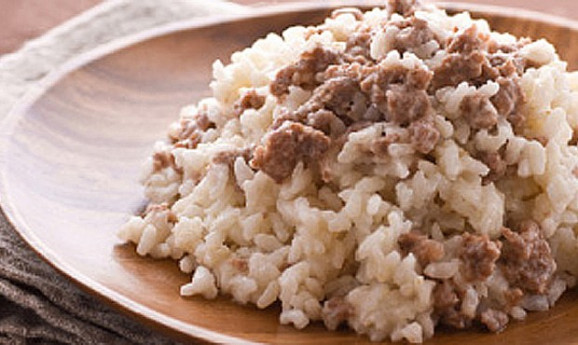
Vialone is the birthplace of one of the most highly regarded rice varieties in Italy and beyond: the celebrated Vialone rice, known today as Vialone Nano, the prized ingredient at the heart of the finest risottos in the Lombard and Venetian culinary traditions.
The Birth of an Exceptional Variety
The story of its discovery reads like a novel. In the late 19th century, a humble farmhand working for the Devecchi brothers was carrying out his ordinary duties in the rice fields planted with the "ranghino" variety, when — just before the seedlings were lifted for transplanting — he noticed something unusual: three ears of grain stood out clearly from all the others in colour and height.
That curiosity — and above all the care with which it was heeded — changed the history of Italian rice. The three anomalous ears were carefully preserved, and the following year the 350 grains obtained from them were sown. Harvests grew progressively, successfully producing the new rice variety which, from 1904 onwards, took the name Vialone and began to spread throughout Italy.
Today the Vialone farmstead is known throughout Italy and abroad precisely because of this extraordinary rice — a symbol of how attention, care and passion for the land can generate excellence that endures across the centuries.
How to Visit Sant'Alessio con Vialone
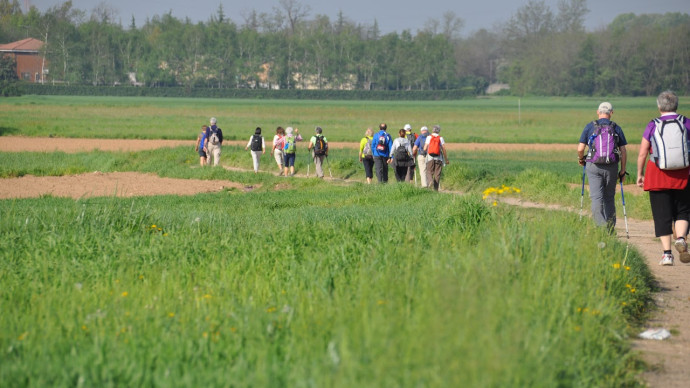
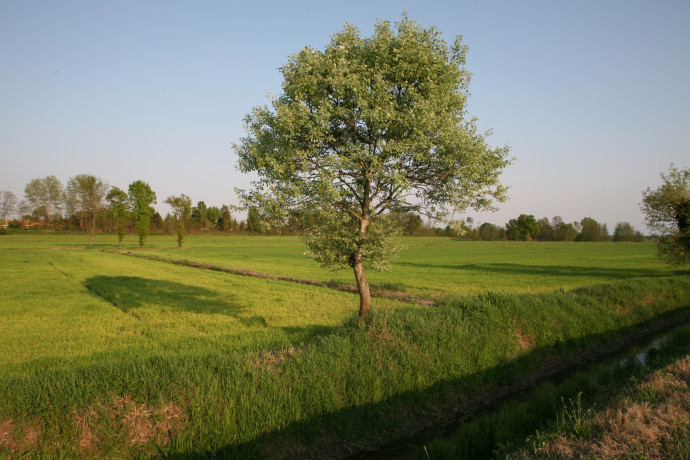
Sant'Alessio con Vialone is located in the province of Pavia, easily reachable by car from the provincial capital. The village fits perfectly into rural and cultural tourism itineraries through the Lomellina, an area increasingly appreciated for its authenticity and for its rice-growing landscapes, which turn a deep, lush green during the summer months.
The recommended visitor route includes: exploring the exterior of the Castle with its watchtower, discovering the Nature Reserve, and — for those wishing to take home an authentic taste of the territory — purchasing prized Vialone rice directly from the farmstead.
The municipality falls within the Ticino Park area and lends itself to combination with visits to other historic villages in the province of Pavia, creating themed itineraries devoted to nature, history and food and wine culture.
Other links
FacebookOasi di Sant'Alessio