- Food & Wine
Miccone di Stradella
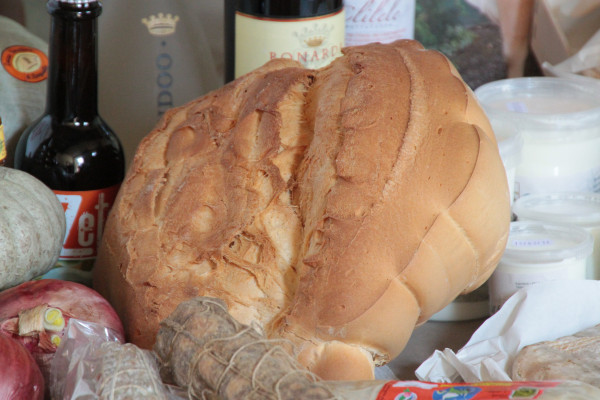
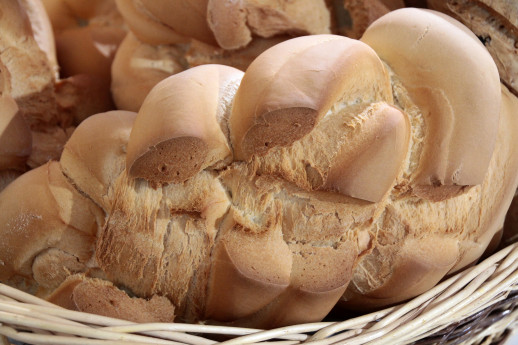
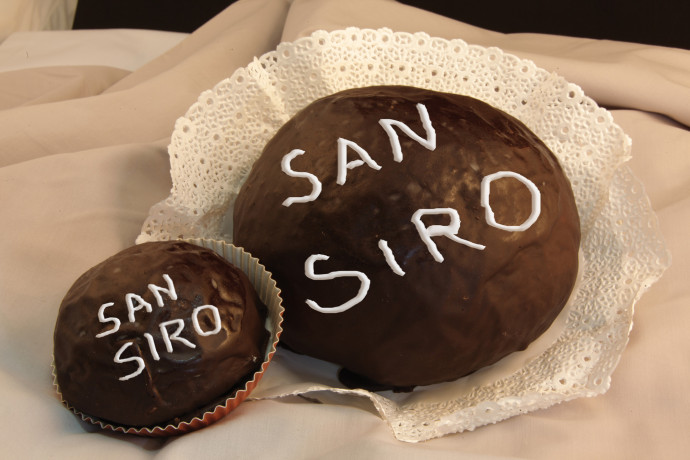
The Miccone is a traditional bread from Oltrepò Pavese with a crispy crust and a dense yet soft crumb.
In the Oltrepò Pavese there is a loaf like no other: substantial, thick-crusted, dense-crumbed, and built from the very start to last. It’s called Miccone – or Miccone di Stradella, or Miccone Pavese – and it is one of the most authentic symbols of peasant cooking in the Province of Pavia. Today, listed in Slow Food’s Ark of Taste and kept alive by only a handful of master bakers, it is a small gastronomic heritage well worth discovering.
An Uncommon Loaf: Character and Craft
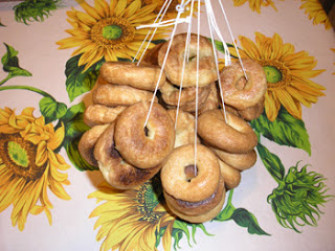
Miccone is a substantial hard-dough loaf: 40 to 50 centimetres long, weighing between 600 and 700 grams. The ingredients are few and simple – wheat flour, water, natural yeast and salt – yet the result is anything but ordinary.
The secret lies in patience. The dough is hard, made with a fairly low proportion of water, worked at length and left to rise once, then worked again until it becomes soft and elastic. The rounded loaves that result are scored crosswise on top and left to rise for several more hours before being baked in a hot oven for about an hour and a half.
The result is a loaf with a thick, crisp crust and a white crumb, dense yet soft, able to keep for over a week. It’s no accident that Miccone is considered one of those breads that improves with age: its flavour is best a couple of days after baking.
Where It’s Made
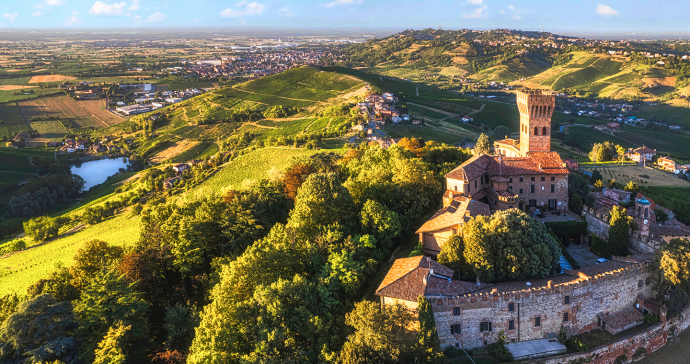
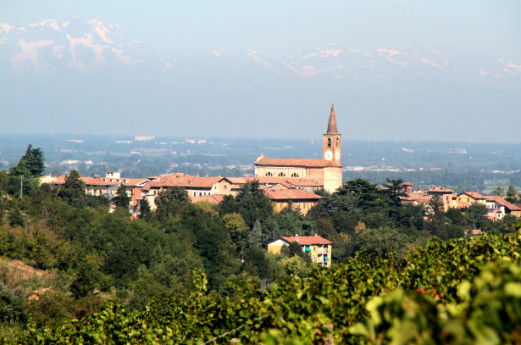
Miccone is produced across the Province of Pavia, but its home is the town of Stradella, in the heart of the Oltrepò Pavese. Historically, the ovens of Broni and Casteggio were also involved in its production, and to this day Stradella and Broni good-naturedly dispute which town is the true home of Miccone.
A bread so tied to its territory could hardly go unrecognised: the town of Stradella has granted it De.Co. status (Denominazione Comunale, a municipal quality mark), and the Lombardy region has listed it among the PAT, its Traditional Agri-food Products. The Slow Food Foundation, for its part, has included it in the Ark of Taste, its catalogue of foods at risk of disappearing: today, only four bakers are said to still make it according to the historic recipe – three in the Oltrepò Pavese and one in the neighbouring Province of Piacenza.
History and Tradition
Miccone belongs to the large family of white breads common across the Bassa Padana, the low-lying plain of the Po valley. Its origins are bound up with rural life: it was once made with soft and wholewheat flour, an everyday loaf for farmhouse families who could only afford to bake once a week, on Saturdays. Hence the need for a bread that would keep for days – a loaf made not for a single meal, but for an entire week.
Small country superstitions grew up around its preparation over the years, passed down from farmhouse to farmhouse: in many families, for instance, bread was never kneaded during the first three days of May, in the belief that any loaf made then would turn mouldy sooner.
With the arrival of industrial ovens from the 1970s onward, such a long and demanding process became increasingly unsustainable, and Miccone came close to disappearing. It survived thanks to the determination of a handful of master bakers who, to this day, keep the original recipe alive in the Oltrepò Pavese.
At the Table: What to Pair It With
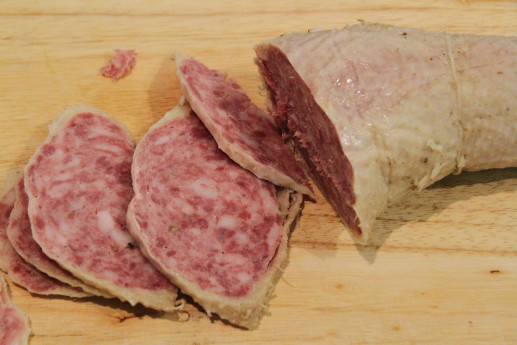
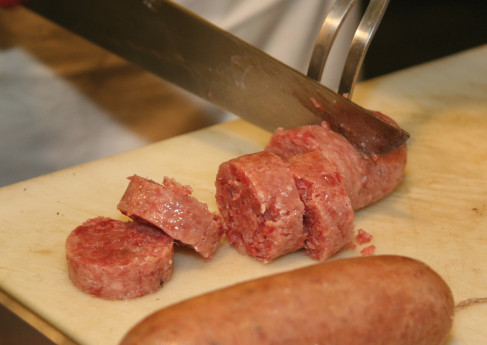
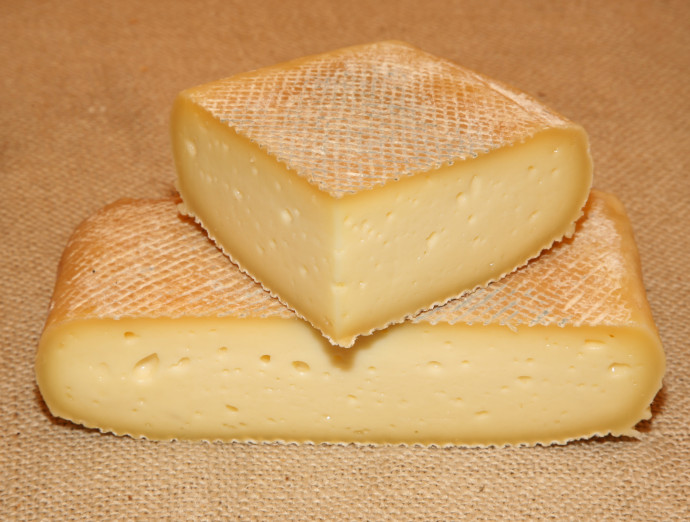
Miccone was created as a ‘neutral’ bread, made without fat in the dough, precisely so it could best accompany the bold flavours of Pavese country cooking. It is the ideal companion to the area’s cured meats, above all Salame di Varzi DOP, and it also goes well with local cheeses and coppa.
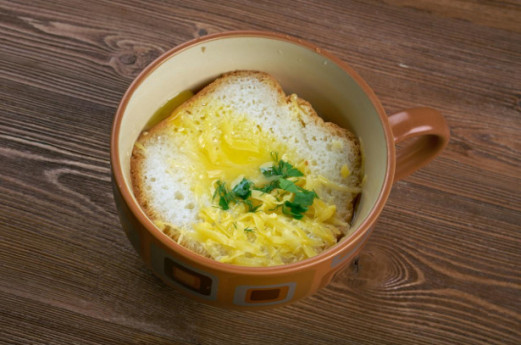
It isn’t only a bread for the table, though: once stale, Miccone becomes the star ingredient in historic local dishes, such as the famous zuppa alla pavese, made with slices of stale bread, broth, Grana cheese and eggs. Across the Po, in the neighbouring Province of Piacenza, the same stale bread gives rise to pisarei, another classic of Emilian cooking.
To taste Miccone is to come into direct contact with the agricultural history of the Oltrepò Pavese: a simple gesture – breaking off a piece of bread – that tells the story of centuries of country life, and of a territory that has managed to keep its traditions alive to this day.
Other links
Facebook